
Pools on sloping sites
Equipment elevation affects priming, isolation and drainage. Long lines can make a small air leak or restriction more noticeable.
Glen Iris pool servicing and diagnostics
Glen Iris spans parts of Boroondara and Stonnington and includes level residential streets as well as sloping land around the creek corridor. Established concrete pools, renovated outdoor areas and recent pool-and-spa systems can sit only streets apart. The exact address matters more than the municipal label when planning access and hydraulics.
Local pool context
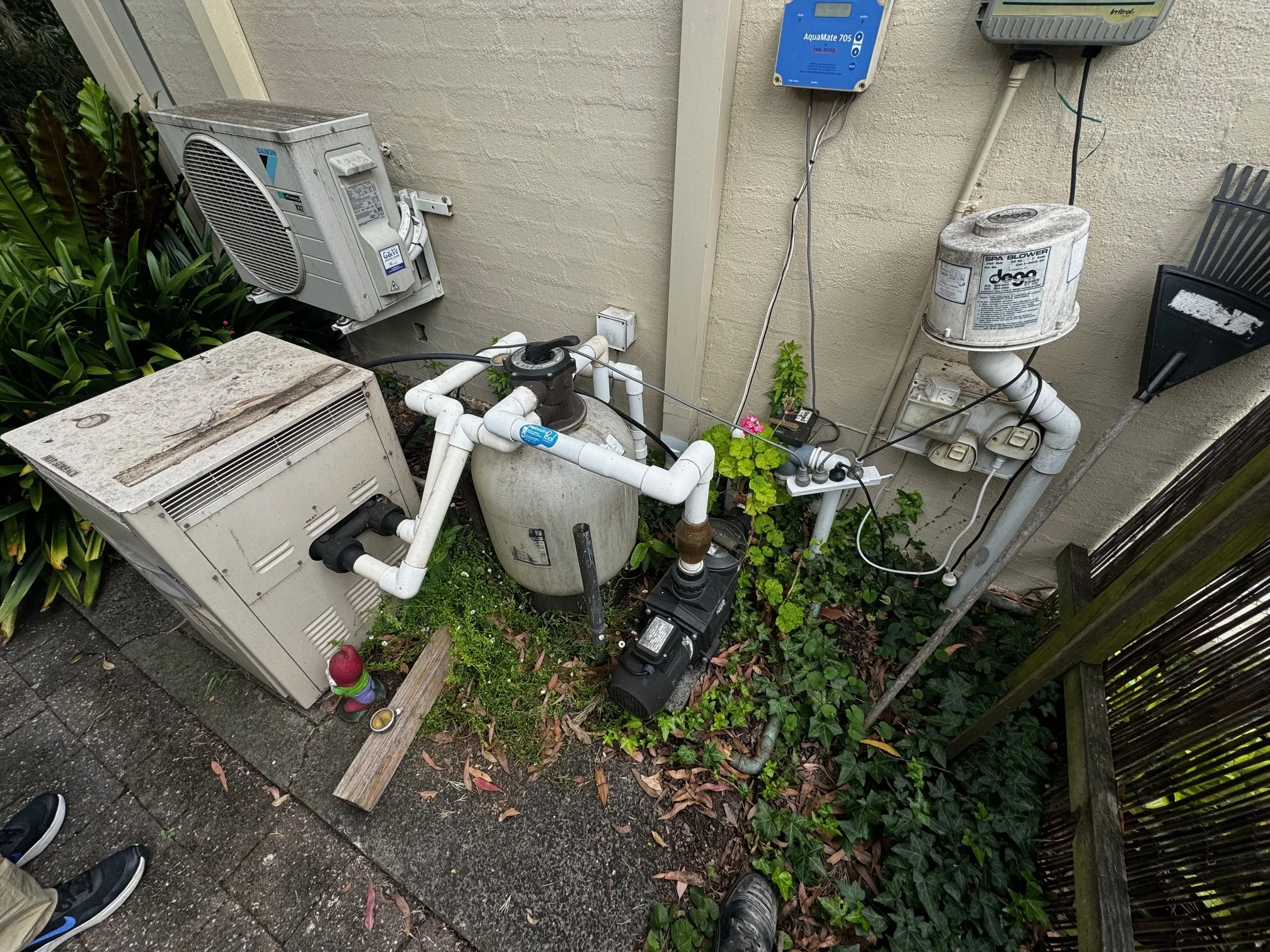
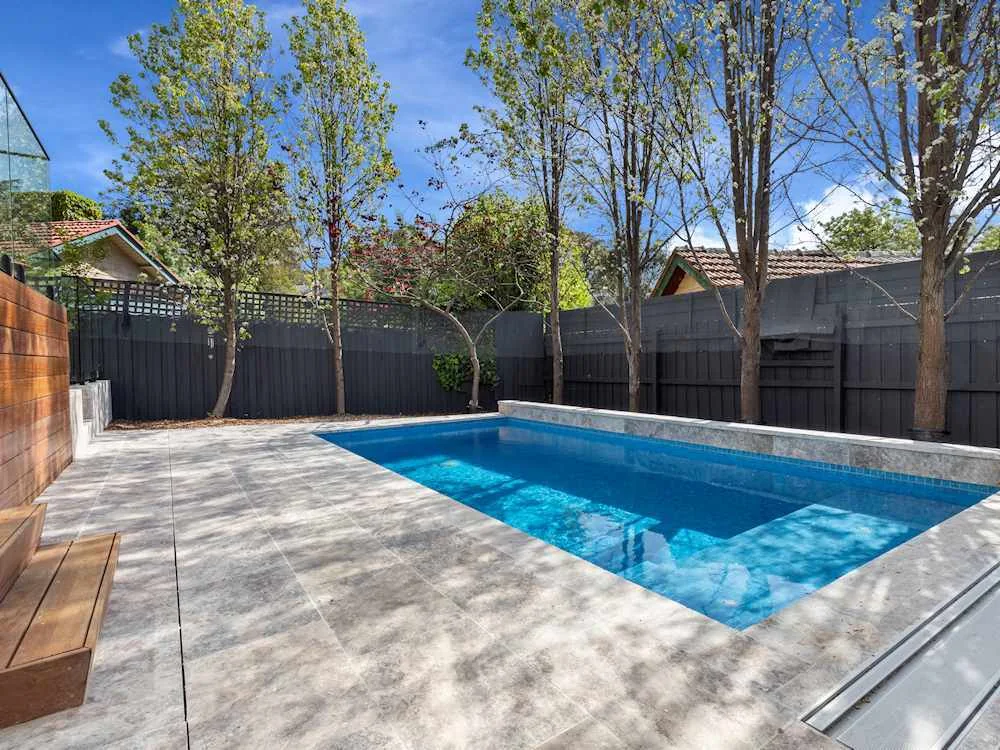
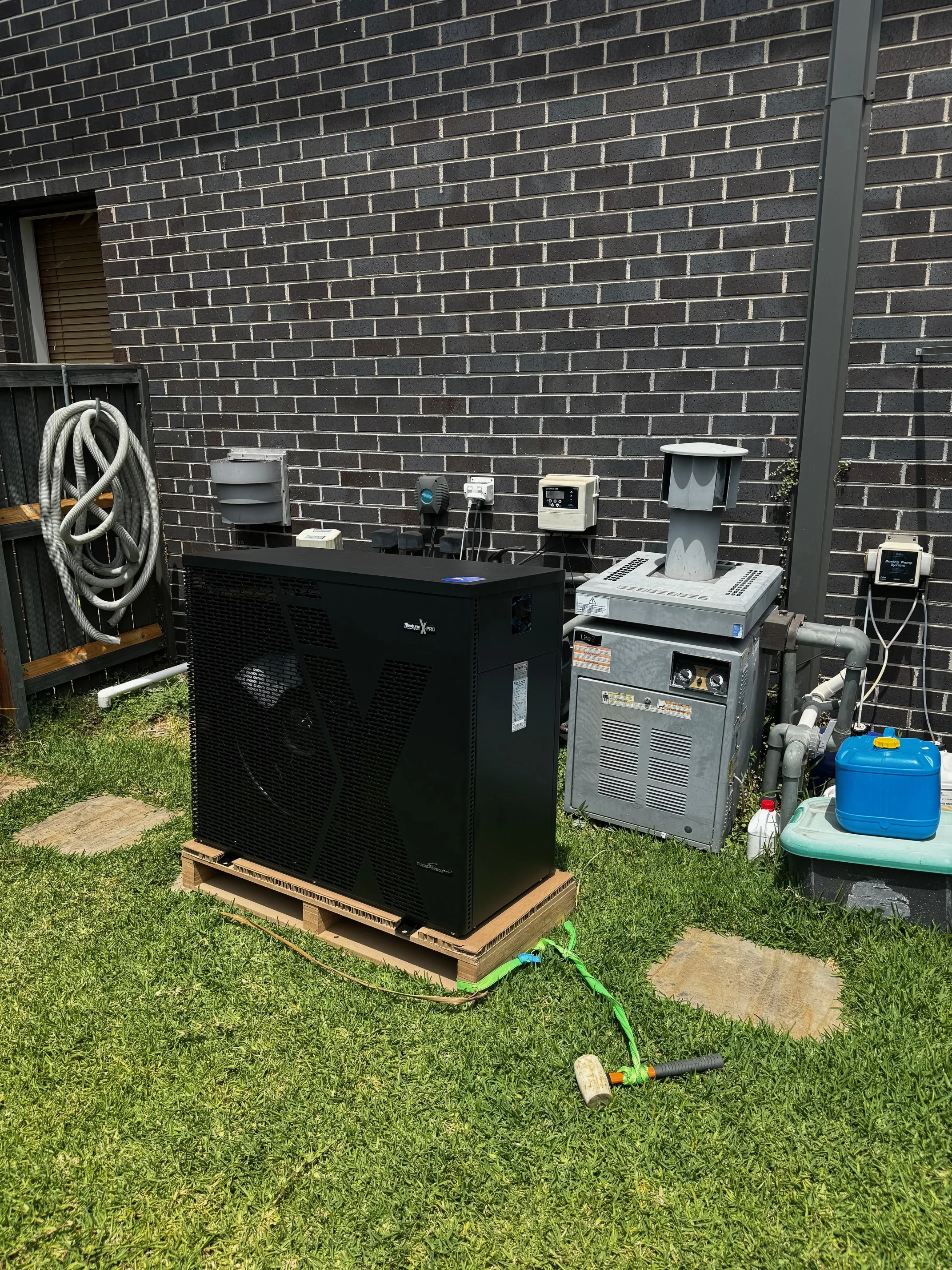
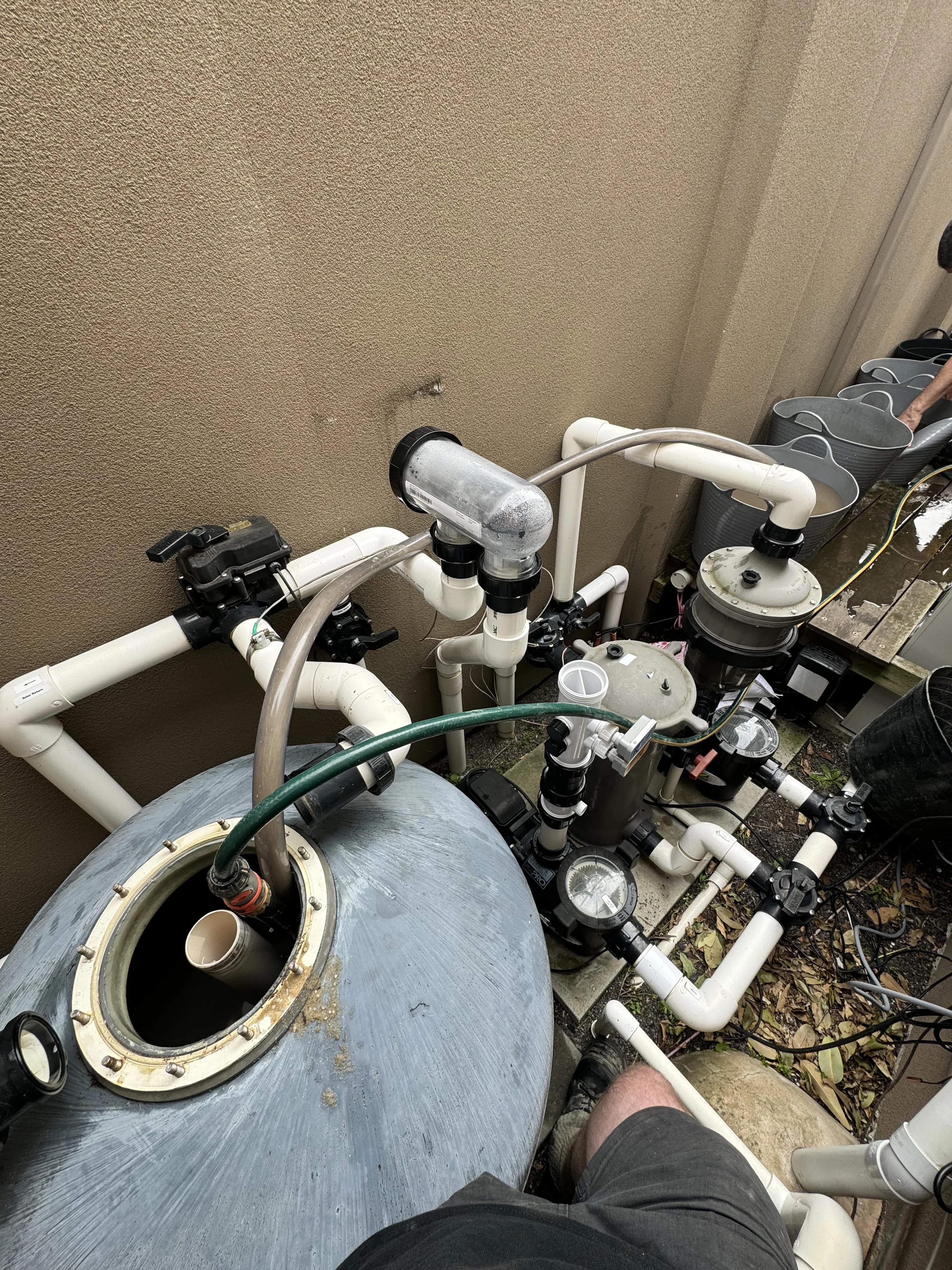
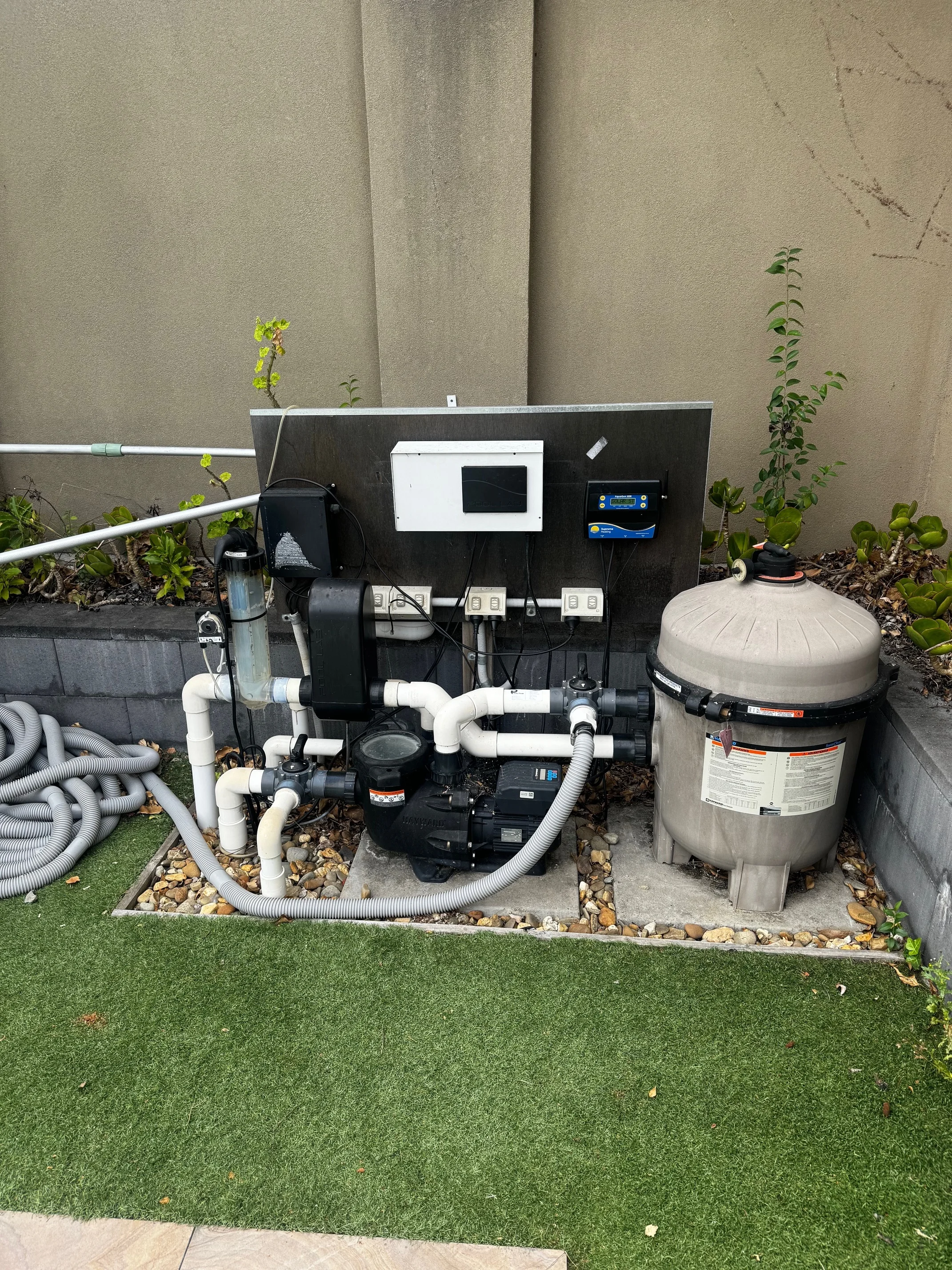
Glen Iris pool systems vary with the site. Creek-side and sloping blocks can create long pipe runs, retaining walls or equipment at a different level from the water. Other homes have older concrete pools updated with recent pumps, heating and automation. Elevation and upgrade history should be recorded before interpreting a fault.
Equipment elevation affects priming, isolation and drainage. Long lines can make a small air leak or restriction more noticeable.
New surfaces and controls may coexist with older pipework, filters or heating circuits that still limit performance.
Shared valves, pump speeds and heating create different operating modes that need separate checks.
Relevant work in Glen Iris
We do not diagnose a fault from the suburb or symptom alone. Palatial Pools tests the pool, connected equipment and conditions we can measure.
Tests suction behaviour, valve condition, filter pressure and equipment elevation when flow is unstable.
Runs filtration, spa, spillover and heating modes to identify where operation changes.
Compares visible upgrades with the remaining hydraulics before more equipment is replaced.
Separates pool water loss from surface drainage, equipment leaks and weather-related moisture.
Site access
Side paths may include stairs, retaining walls or narrow gates around renovated landscapes. The equipment can also be on a lower platform that needs dry footing and safe isolation before work begins.
Fault reasoning
| Observed symptom | Possible explanations | What confirms it |
|---|---|---|
| Pump takes longer to prime | Water level, suction air, valve seal, long line, blockage or pump wear | Inspect static layout and test vacuum and flow under operation |
| Spa mode drains back after use | Valve position, check valve, programming, spillover or level difference | Observe valve movement and water transfer through the full mode change |
| Moisture appears below a retaining wall | Garden drainage, groundwater, pool pipe, equipment or shell loss | Compare weather and system operation before targeted testing |
Photos, videos and calculator results can improve the service brief. They cannot confirm live flow, pressure, electrical safety, gas condition, concealed plumbing or structural leakage remotely.
Route to the shop
High Street or Toorak Road generally provides the westbound route, with Burke Road, Glenferrie Road or Church Street linking north toward Victoria Street and Johnston Street. Northern addresses may suit Riversdale Road.
Monash Freeway approaches, tram routes, railway crossings and school traffic can change the trip. The stated range is indicative only.
Plan a shop visitBring for water testing
Use a clean container. Take the sample from below the surface, away from a return jet. Bring the pool volume, recent treatment, equipment status and the issue you are trying to solve.
Questions from Glen Iris
No. Supply the exact address so Palatial Pools can plan the route, site access and correct nearby links.
Elevation can make the system less tolerant of air entry, but seals, valves, water level, lines and pump condition still need testing.
Yes where all modes, controls and equipment are accessible. Describe which mode fails when booking.
Usually not. Timing, water chemistry, operating conditions and targeted isolation provide better evidence.
Nearby service areas
Palatial Pools
Tell us the symptom, send photos of the gear, and let us know about any access issues.