
Screened plant areas
Built enclosures and hedges can conceal leaks, restrict cooling or leave insufficient room for routine maintenance.
Deepdene pool servicing and fault checks
Deepdene is a compact residential pocket between Balwyn and Canterbury. Its established homes and mature streets can contain older concrete pools, extensively renovated outdoor areas and discreet equipment installations. The small suburb still presents varied pipe ages, access routes and heating arrangements.

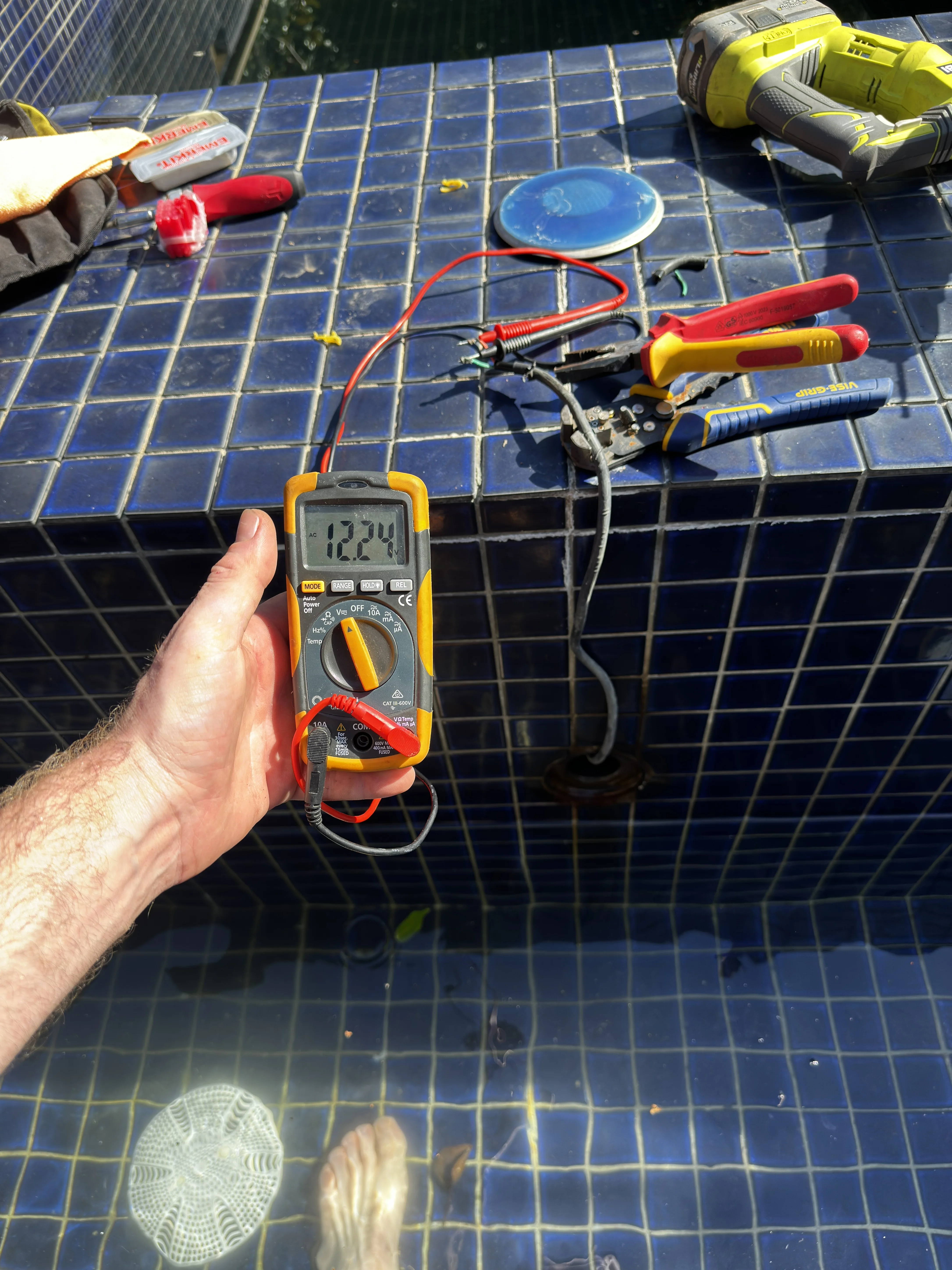
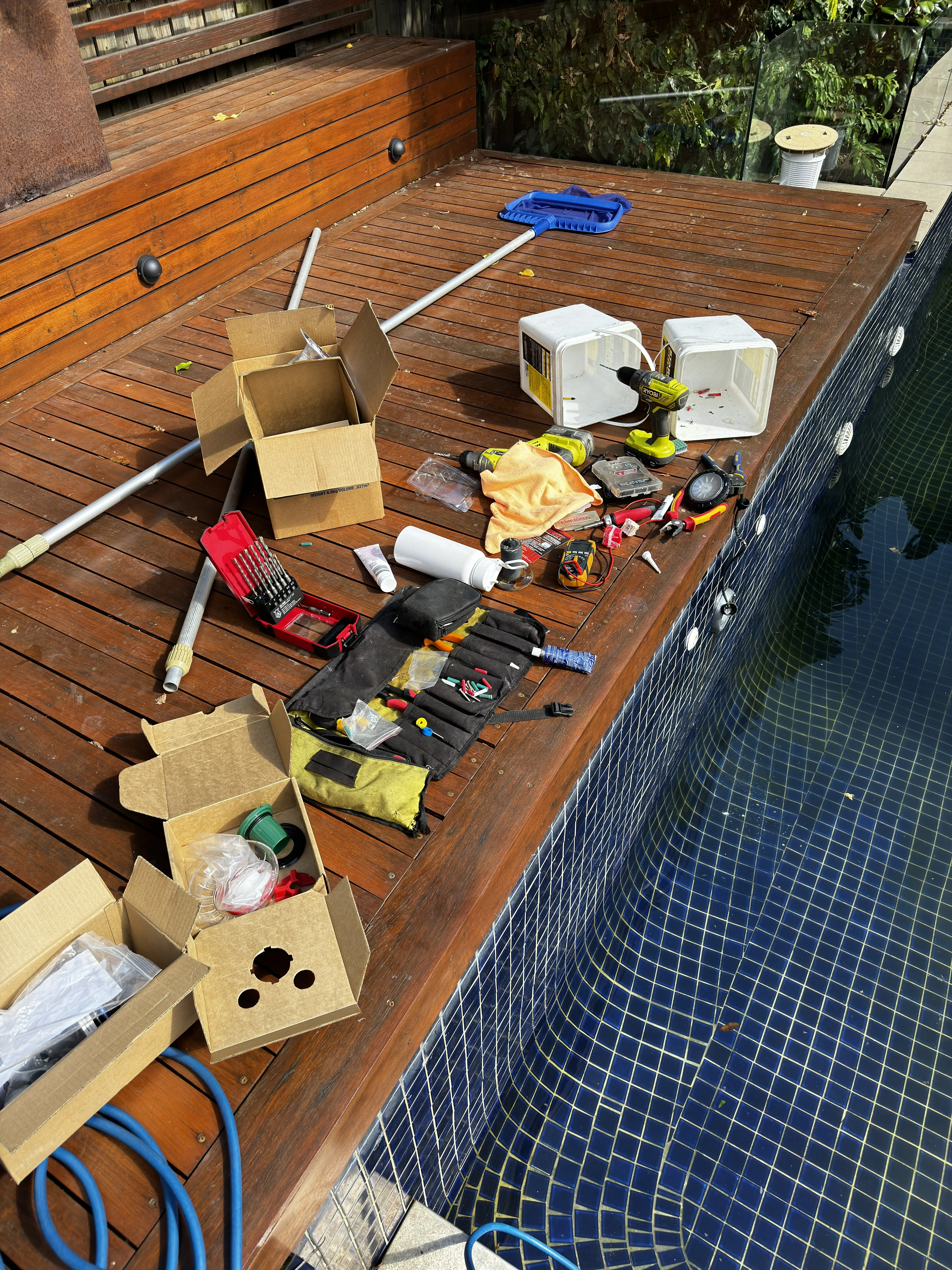
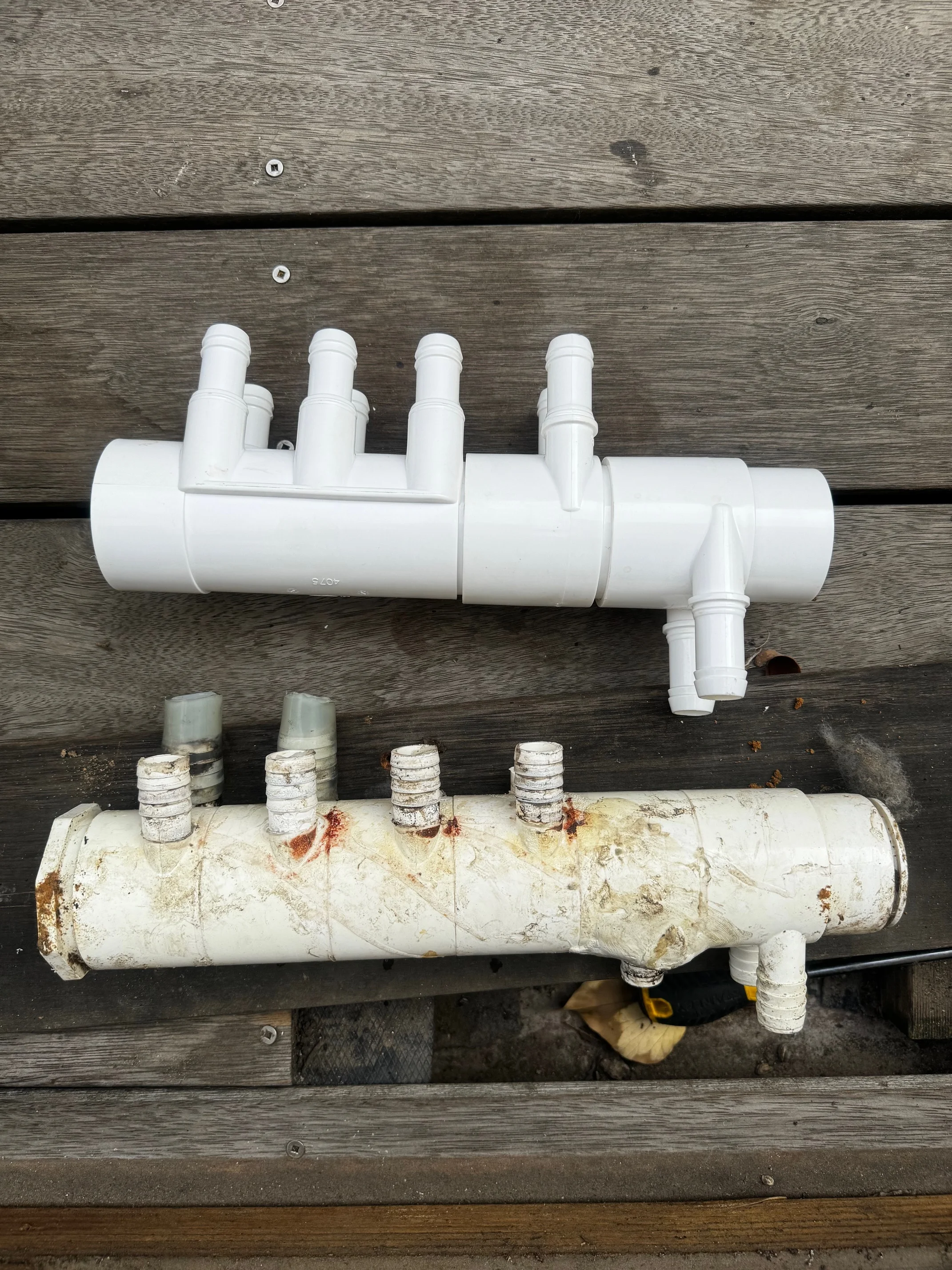
Local pool context
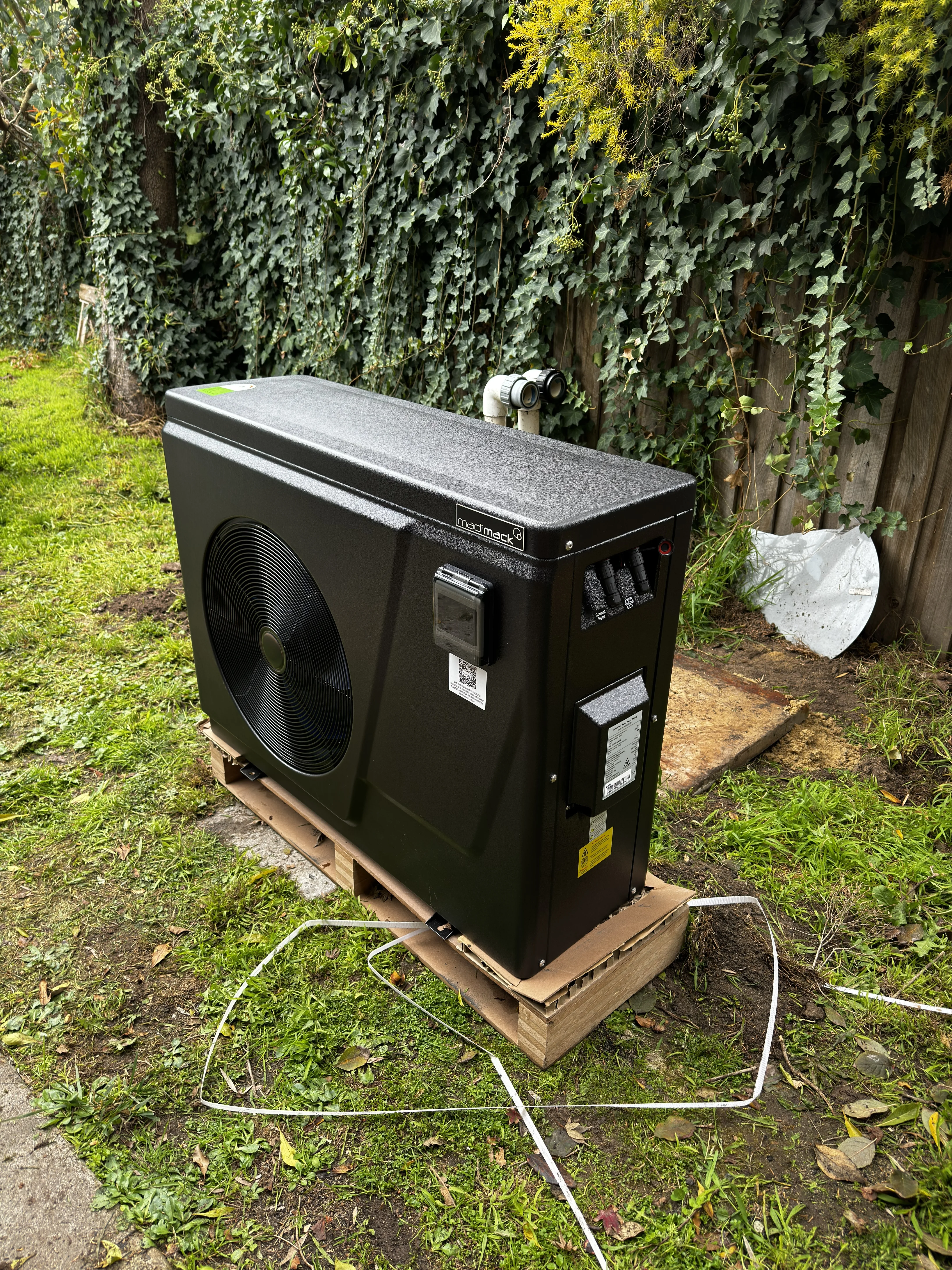
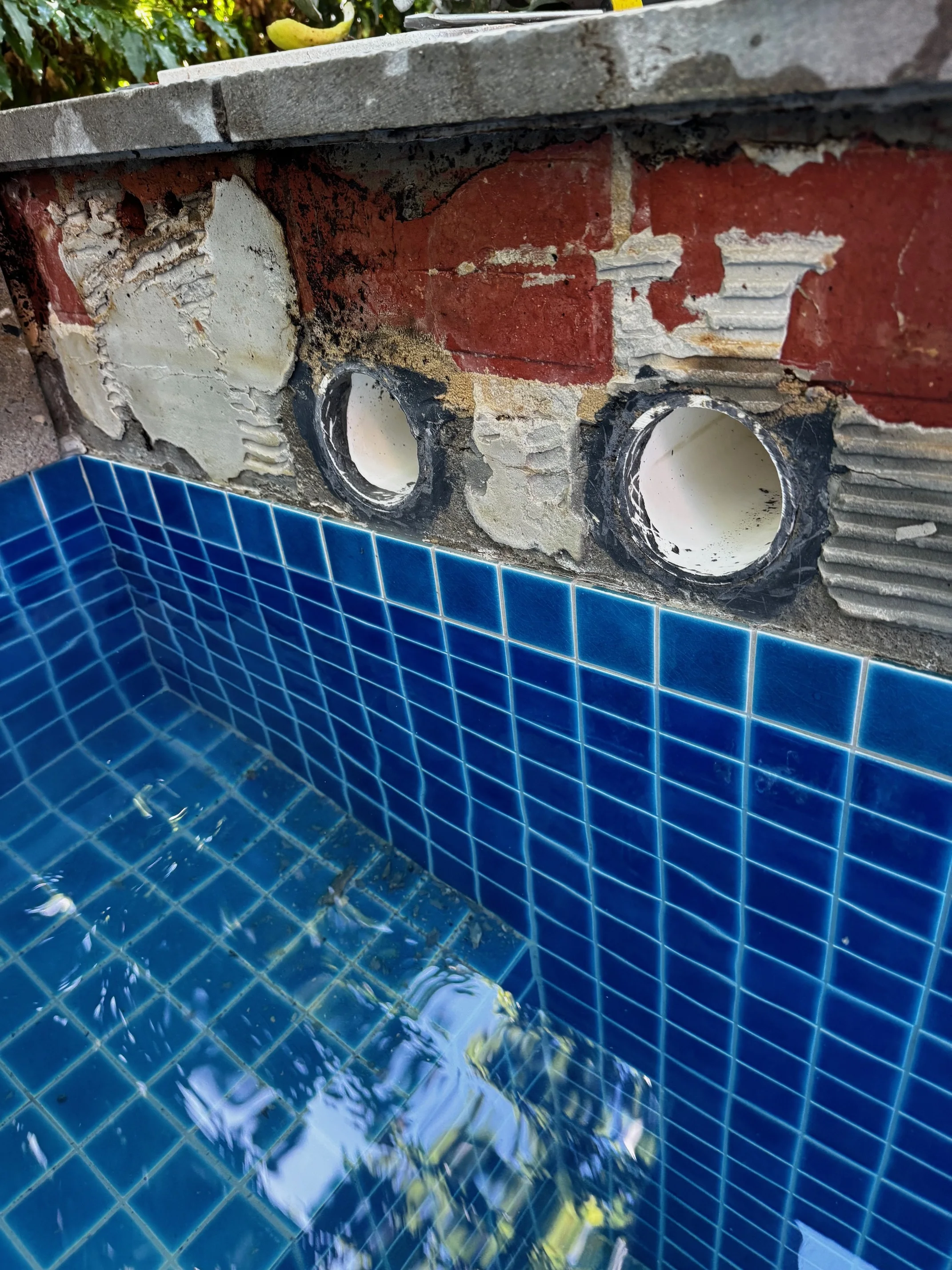
Deepdene pool plant is often screened from the house and garden. Screening can be effective without being serviceable: filters still need lid clearance, heaters need airflow and pumps need dry, accessible isolation. Older shells may also have been resurfaced without full hydraulic replacement.
Built enclosures and hedges can conceal leaks, restrict cooling or leave insufficient room for routine maintenance.
A renewed interior does not establish the condition of fittings, expansion joints or underground lines.
Performance depends on cover use, exposed area, wind, target temperature and run strategy, not heater size alone.
Relevant work in Deepdene
We do not diagnose a fault from the suburb or symptom alone. Palatial Pools tests the pool, connected equipment and conditions we can measure.
Checks drainage, airflow, corrosion, isolation and service clearance around discreet equipment.
Builds evidence from level changes and operating conditions before specialised leak tests.
Tests flow, controls, temperature rise and site conditions when heating is slow or intermittent.
Identifies wear, leaks and restricted maintenance access before a seasonal start-up.
Site access
Before the visit, open the enclosure and check that labels, valves, lids and isolation points can be reached. The path from the street may also narrow around established gardens and fencing.
Fault reasoning
| Observed symptom | Possible explanations | What confirms it |
|---|---|---|
| Moisture collects inside the enclosure | Equipment leak, condensation, rain entry, poor drainage or groundwater | Dry the area and observe when moisture returns under operating and wet conditions |
| Heater runs but pool warms slowly | Heat loss, cover condition, low flow, schedule or equipment performance | Measure temperature rise and compare it with pool demand and site exposure |
| Resurfaced pool still loses water | Evaporation, fitting, pipe, joint or shell-related loss | Record a controlled loss pattern and test the indicated circuit or structure |
Photos, videos and calculator results can improve the service brief. They cannot confirm live flow, pressure, electrical safety, gas condition, concealed plumbing or structural leakage remotely.
Route to the shop
Whitehorse Road provides the direct westbound approach toward Kew. From the southern edge, Canterbury Road and Burke Road may be more practical before continuing through the Kew corridor to Abbotsford.
Whitehorse Road peaks, nearby school traffic and Burke Road intersections can lengthen the trip. Times vary with the exact address.
Plan a shop visitBring for water testing
Use a clean container. Take the sample from below the surface, away from a return jet. Bring the pool volume, recent treatment, equipment status and the issue you are trying to solve.
Questions from Deepdene
Only if manufacturer airflow, exhaust, drainage and service clearances are maintained. A neat enclosure is not automatically a safe one.
No. Water can also escape through fittings, joints, pipework or operating overflow paths.
Yes. Water condition, circulation, filtration, sanitising and heating should be checked before a run schedule is set.
Yes. Book it as Deepdene so the access notes and travel details are recorded correctly.
Nearby service areas
Palatial Pools
Tell us the symptom, send photos of the gear, and let us know about any access issues.