
Equipment below water level
Isolation valves and safe drainage are critical before opening pumps, filters or heaters.
Alphington pool service between the river and Darebin Creek
Alphington is primarily residential, bounded by the Yarra River to the south and Darebin Creek to the east. Established homes sit beside substantial newer development. Pool sites can include sloping land, landscaped river-side gardens, newer integrated equipment and older systems retained through renovation.
Local pool context
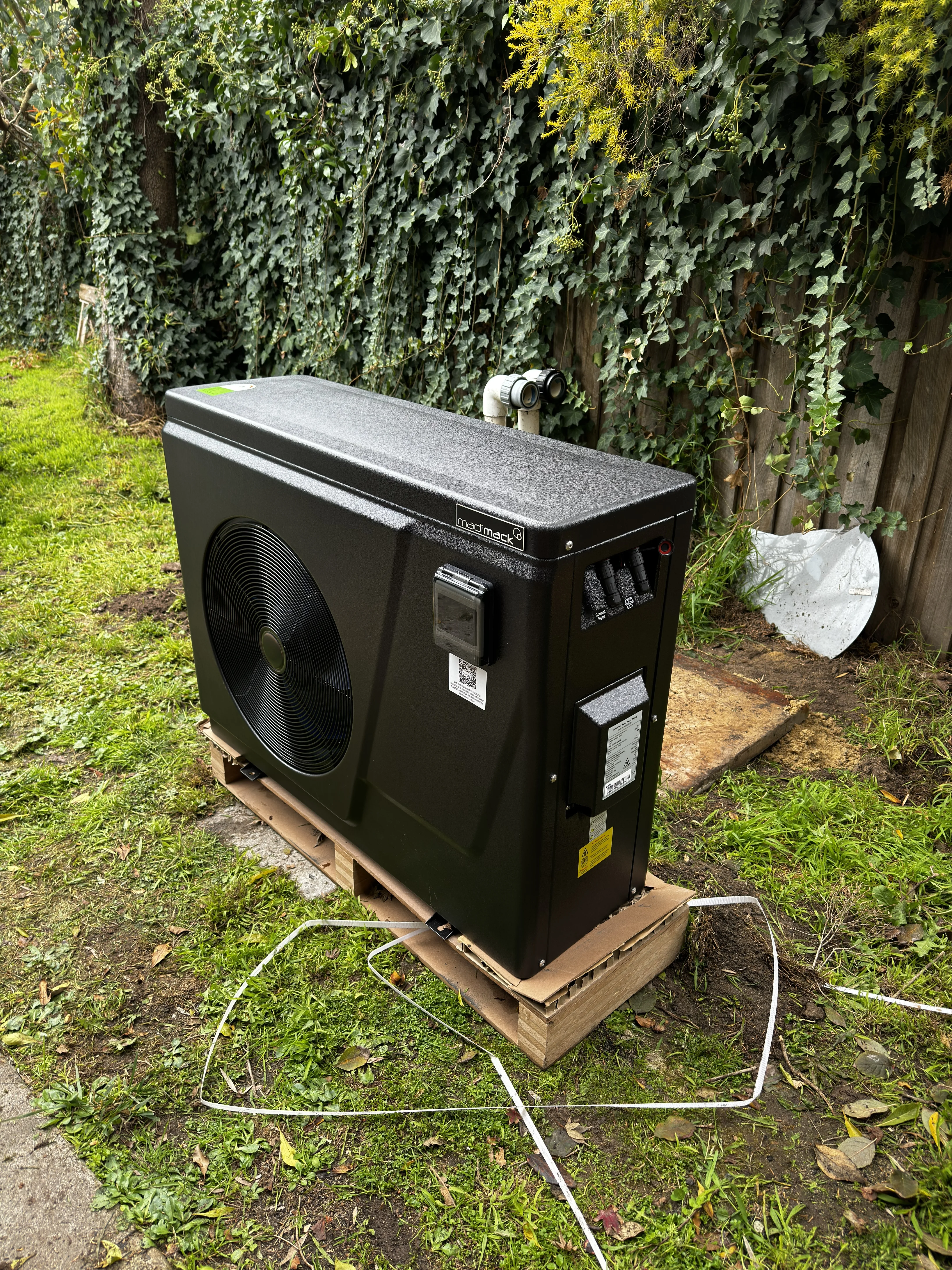
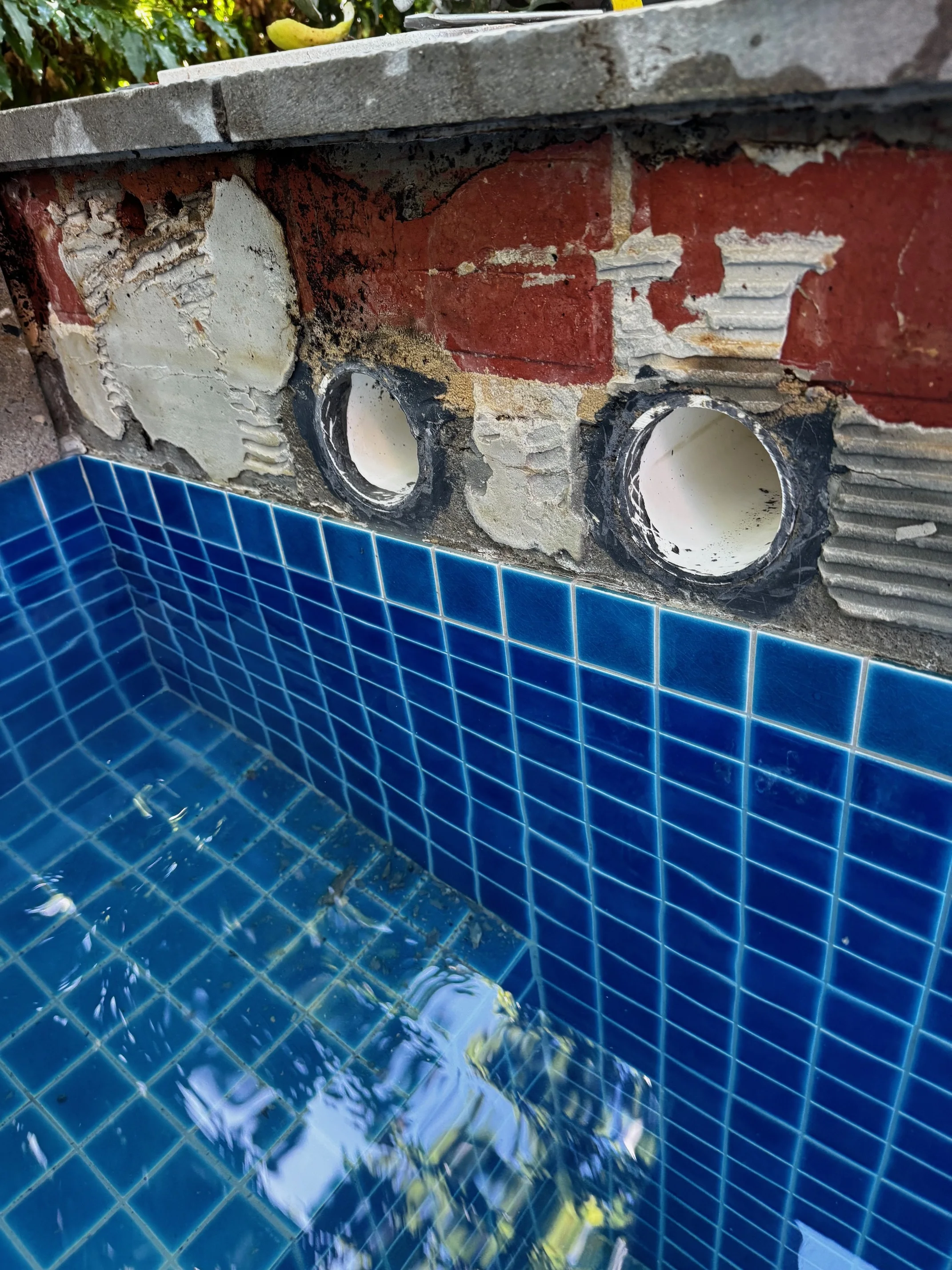
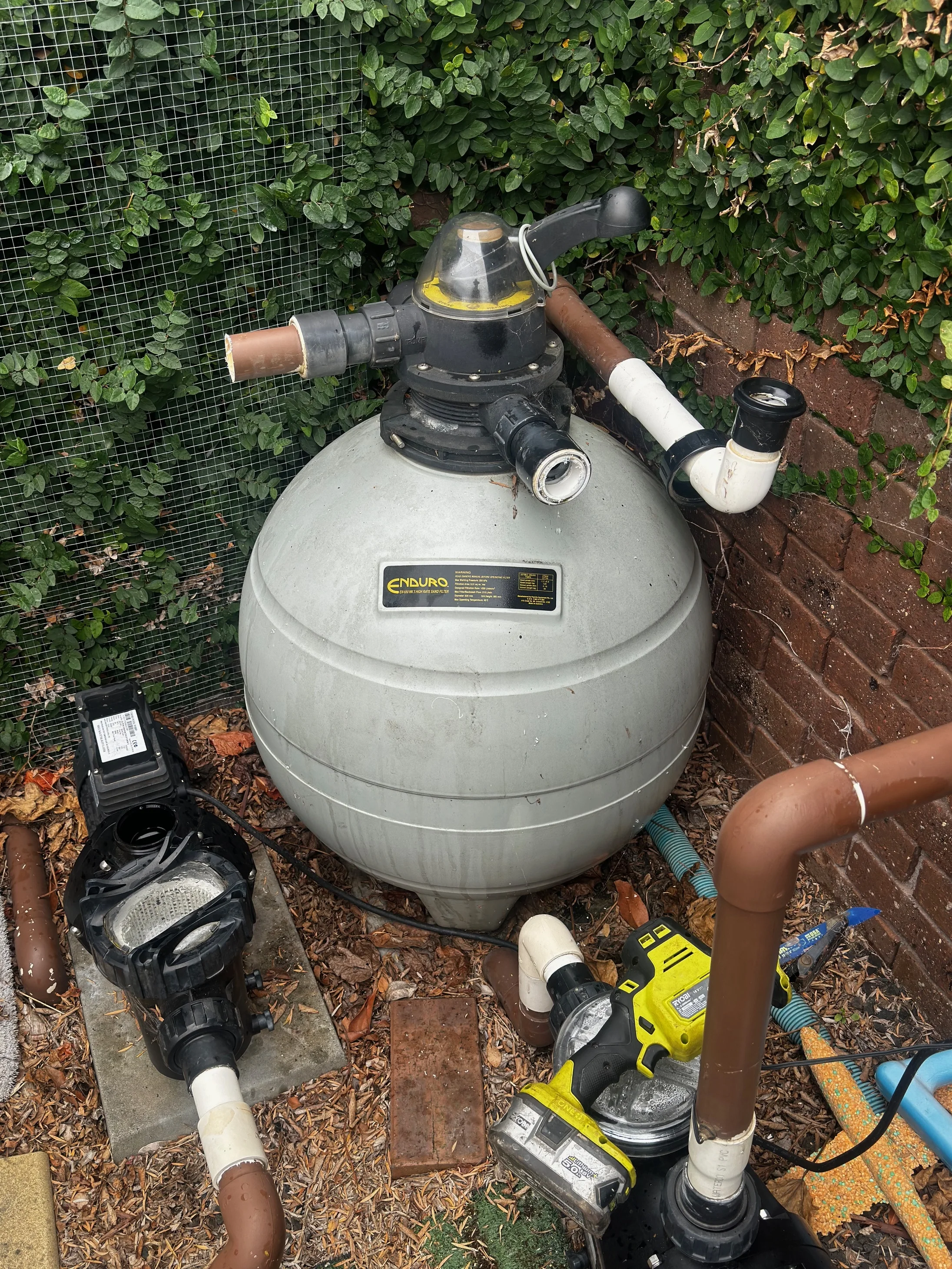
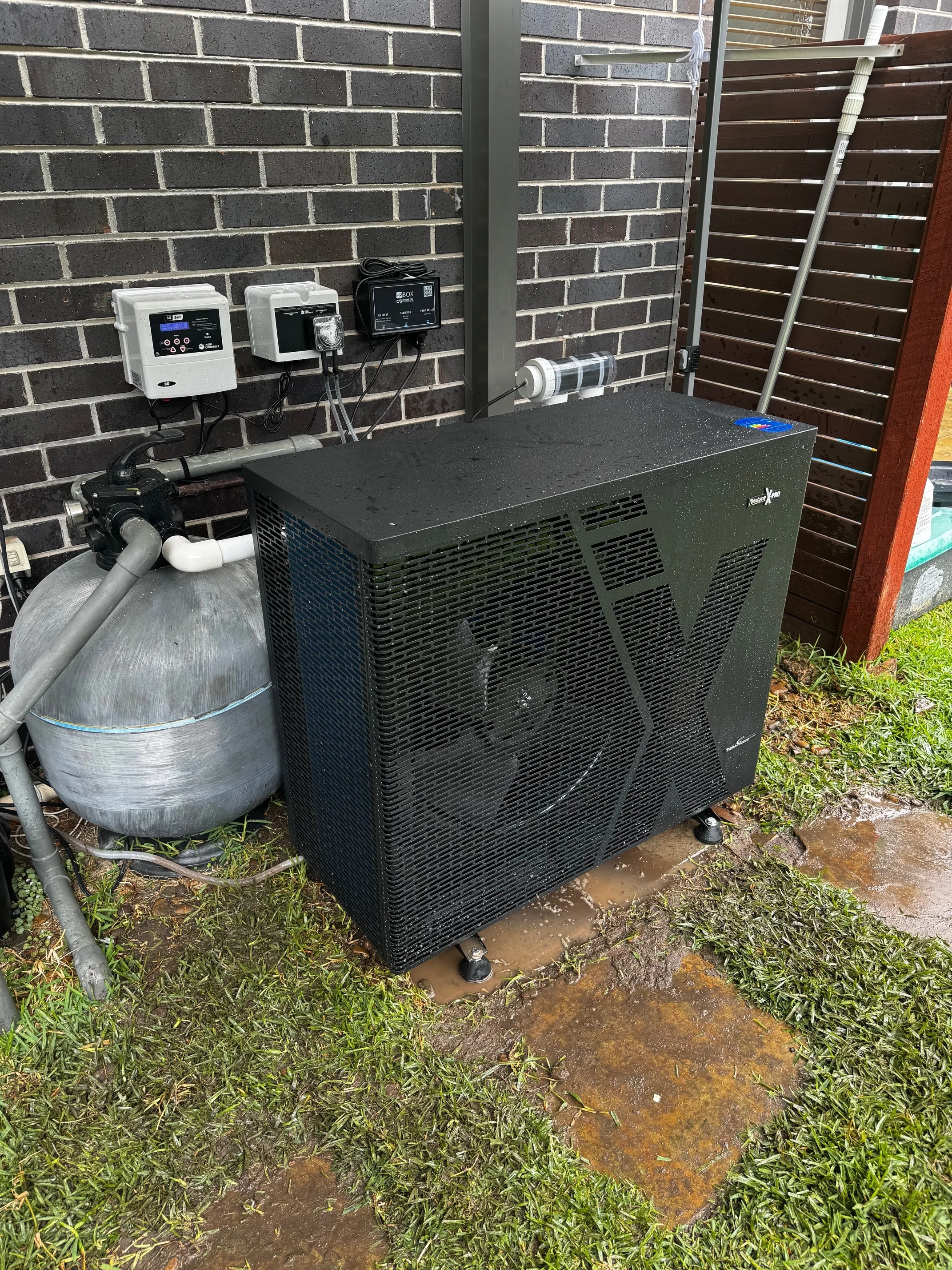
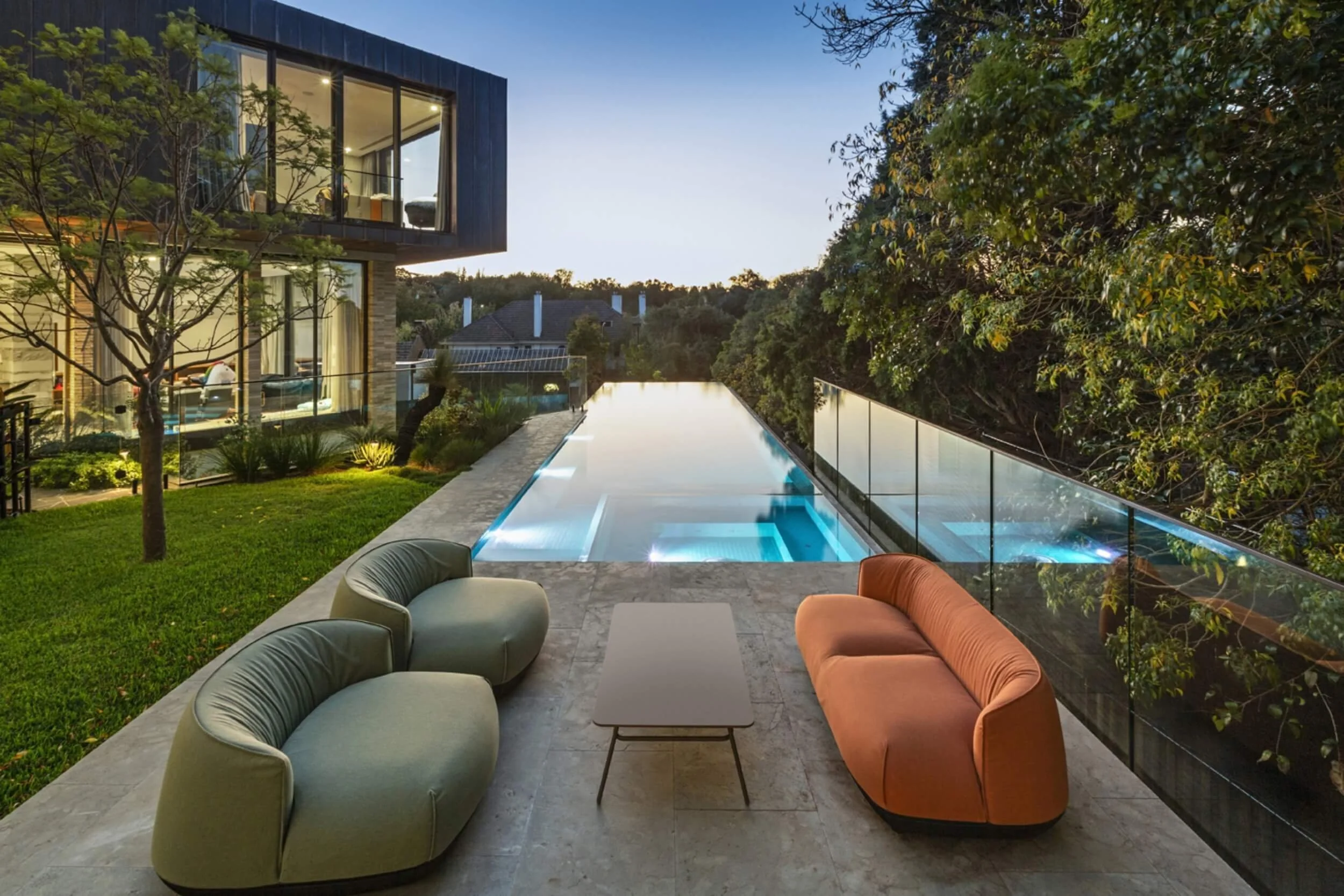
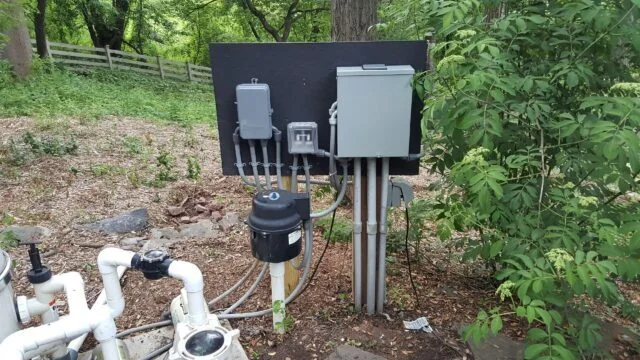
Alphington includes older residential pools and newer pools built with contemporary homes. Sloping blocks can place the equipment above or below the water line, which changes priming, isolation and drainage behaviour. Landscaping can also conceal the route of older plumbing.
Isolation valves and safe drainage are critical before opening pumps, filters or heaters.
Automation, heating and sanitising equipment may be linked. A communication error should be checked across the complete control path.
Mature planting and earlier renovations can hide pipe routes and create mixed generations of equipment.
Relevant work in Alphington
We do not diagnose a fault from the suburb or symptom alone. Palatial Pools tests the pool, connected equipment and conditions we can measure.
Checks equipment elevation, valve condition and suction behaviour before opening the system.
Records control state, communication and actual device operation without blaming the app alone.
Measures the loss pattern and visible equipment before targeted hydraulic or structural testing.
Reviews the volume, cover, temperature target, weather and connected water flow.
Site access
Before attendance, state whether the plant is uphill, downhill or at water level. A filter below the pool can release significant water if isolation is incomplete, while a pump above the pool may show priming faults more readily.
Fault reasoning
| Observed symptom | Possible explanations | What confirms it |
|---|---|---|
| Pump takes a long time to prime | Equipment elevation, air leak, low water, restriction or valve fault | Inspect the suction path and prime behaviour on site |
| Automation shows equipment offline | Power, communication, configuration or device failure | Check each device locally and through the controller |
| Pool loses more water in one operating mode | Return-line, feature, waste line or equipment leak | Compare controlled mode-by-mode level change |
Photos, videos and calculator results can improve the service brief. They cannot confirm live flow, pressure, electrical safety, gas condition, concealed plumbing or structural leakage remotely.
Route to the shop
Heidelberg Road provides the main connection toward Abbotsford. Continue through Fairfield and the Clifton Hill corridor, then use Johnston Street to reach Shop 13A, 328 Johnston Street.
Heidelberg Road and school traffic can extend the trip. River and creek proximity does not confirm groundwater or drainage as the cause of a pool problem.
Plan a shop visitBring for water testing
Use a clean container. Take the sample from below the surface, away from a return jet. Bring the pool volume, recent treatment, equipment status and the issue you are trying to solve.
Questions from Alphington
It can. Equipment elevation, stairs, isolation and drainage affect the work method, so photos of the complete site are useful.
No. Location alone cannot confirm groundwater, drainage or hydrostatic pressure. Site evidence and the pool's history are needed.
No. The alert may reflect power, communication, configuration or the connected device. Each layer should be checked.
Yes. It is the main practical approach toward Abbotsford, although peak and school traffic can add time.
Palatial Pools
Tell us the symptom, send photos of the gear, and let us know about any access issues.