
How pool heat-pump sizing works
Size from heat loss, target use and available time, not pool volume or advertised output alone.
Use this guide to
Record useful evidence, complete safe checks and recognise when the pool or equipment should remain out of use.
Important limit
A symptom helps narrow the fault. It does not prove which part has failed, whether the water is safe, or whether underground pipework is sound.
Safety first
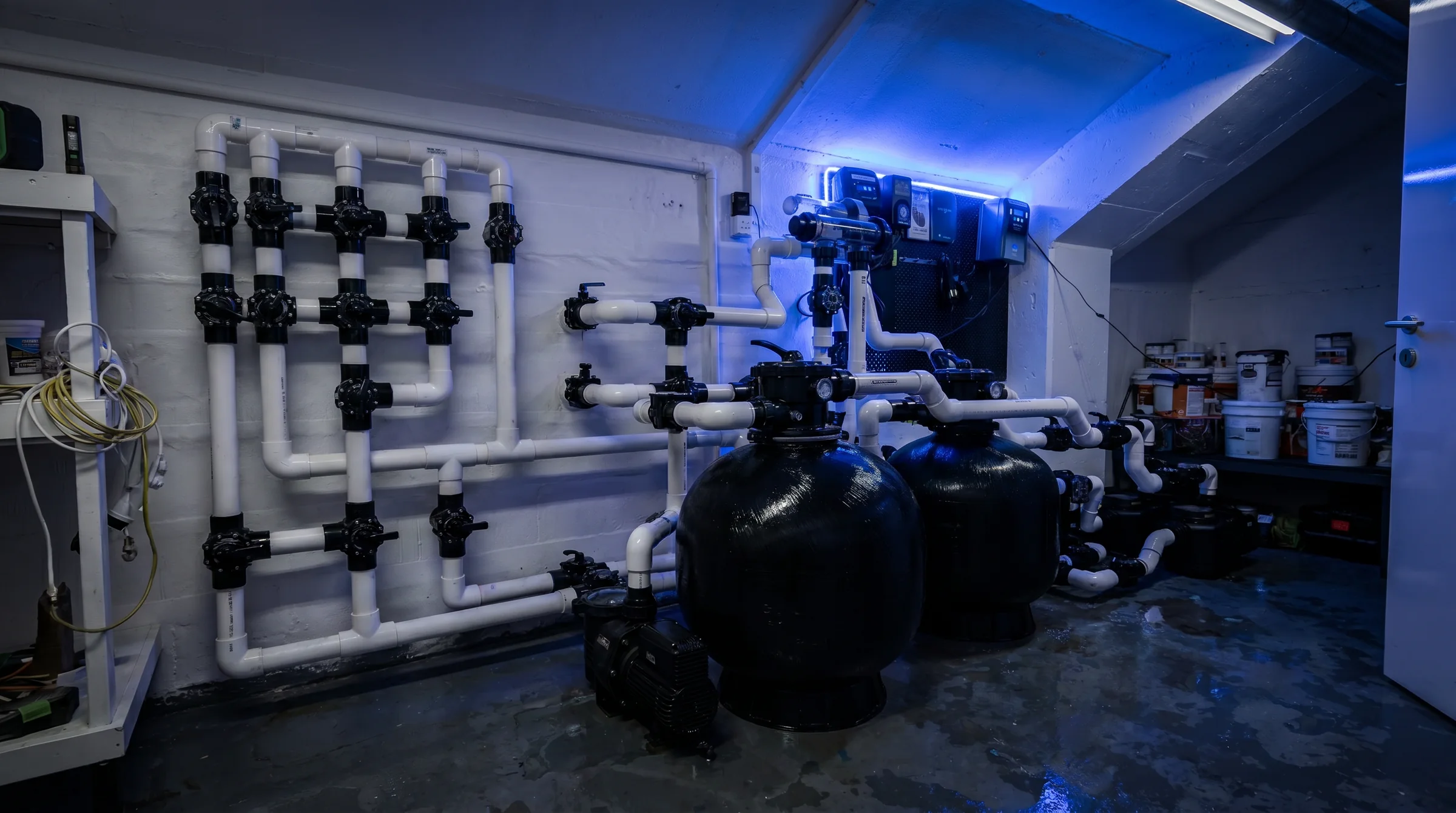
Heat pumps require correct hydraulic flow, clearances, condensate drainage and an electrical supply assessed for the selected unit. Do not connect, bypass or modify fixed electrical equipment unless appropriately licensed.
Start with context
Observe before changing settings
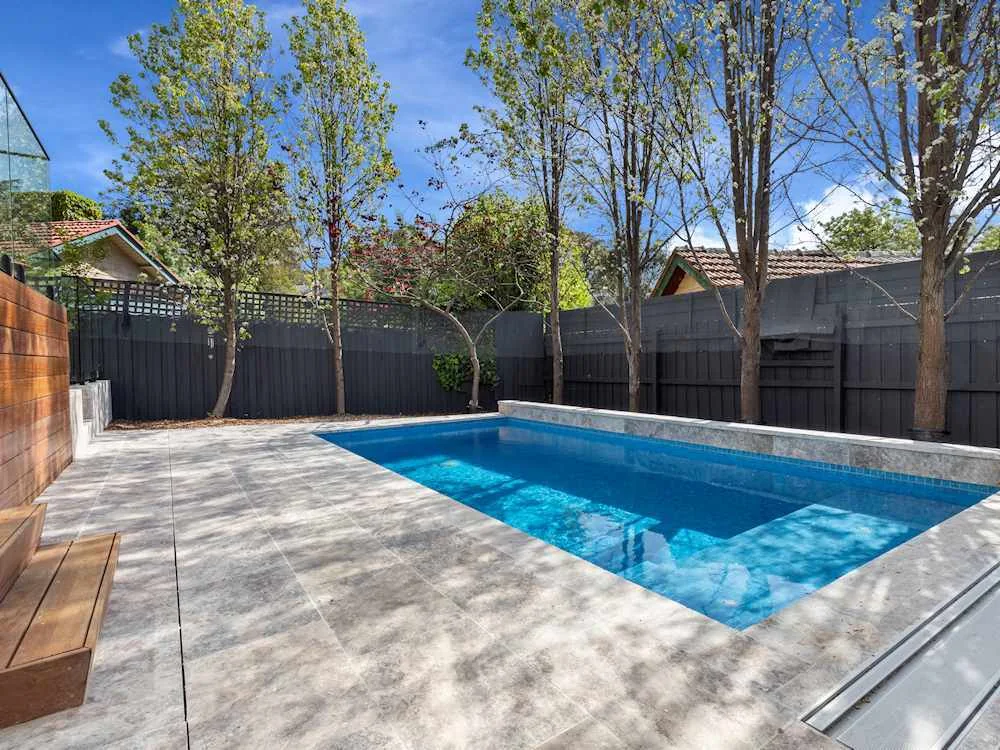
Two pools with the same volume can need different heat pumps. Surface area, cover use, wind, target temperature, starting temperature, season, daily operating window and electrical supply change the required duty and heat-up time.
Safe first checks
Observation is not confirmation
What the signs actually mean
A symptom is just a clue. We still need to test the system properly before we rip anything out or start pouring chemicals in.
| What you observe | What may cause it | What confirms the next step |
|---|---|---|
| Large temperature rise needed quickly | High initial energy requirement and limited heating window. | Model pool mass, starting and target temperatures, ambient conditions and available operating hours. |
| Pool reaches temperature but will not hold it | Surface evaporation, wind, uncovered overnight loss, low ambient output or restricted operating schedule. | Compare covered and uncovered losses and actual heat-pump input and output conditions. |
| Unit displays low-flow or cycles | Hydraulic restriction, dirty filter, bypass setting, pump speed, installation flow or equipment fault. | Measure flow and pressures and compare with the unit installation range. |
| Quoted kilowatt rating seems inconsistent | Ratings may use different air temperature, humidity and water test conditions. | Compare certified output and efficiency at the same published test condition, then model Melbourne operating conditions. |
Practical sequence
Complete only the checks that are safe
Define use
Choose the months, target temperature and acceptable warm-up period before comparing equipment.
Measure
Record volume, surface area, pipework, equipment and installation clearances.
Model
Run several ambient and cover scenarios. Treat calculator results as planning estimates, not guaranteed site performance.
Verify site
Confirm hydraulics, drainage, airflow, noise position and electrical supply before ordering the unit.
Stop and arrange help
Do not keep operating or dosing through these conditions.
What remote review can do
Model indicative heat-up times from supplied pool and weather assumptions.
Compare cover and no-cover scenarios.
Identify the measurements and site constraints needed for an installation proposal.
What cannot be confirmed remotely
Confirm actual heat loss, hydraulic flow, switchboard capacity or site noise impact.
Guarantee a warm-up time because wind and ambient conditions vary.
Approve a final unit or electrical installation without a site and manufacturer check.
Prepare useful evidence
Clear records reduce guesswork. They do not replace on-site testing where pressure, flow, electrical condition or water integrity must be measured.
Real questions
Frequently asked questions
Where an answer depends on a measurement or site condition, the limit is stated.
Can heat-pump size be chosen from litres alone?+
No. Volume affects the energy required to raise temperature, but surface area, wind, cover use, ambient conditions and available time strongly affect heat loss and practical sizing.
Does a larger heat pump always cost more to run?+
Not necessarily. A larger unit may run for fewer hours, while an undersized unit can run continuously and still miss the target. Compare seasonal load, efficiency at relevant conditions and control strategy.
How much difference does a pool cover make?+
Usually a major difference because evaporation is a dominant heat-loss path. The actual effect depends on fit, use, wind and overnight conditions. Model covered and uncovered scenarios separately.
Why does output fall in cold weather?+
An air-source heat pump extracts heat from ambient air. Available capacity and efficiency change with air temperature, humidity, water temperature and defrost operation, so compare ratings at stated conditions.
Need measured confirmation?
Send the observations before the visit
Include the address, equipment labels, wide photos, close photos, readings and what changed before the problem started. Palatial Pools will confirm what can be checked remotely and what needs an on-site test.