
Technology that supports a better pool diagnosis
Good technology shouldn't complicate the job. We use satellite mapping, 3D scanning, and CFD modelling to figure out exactly what we're dealing with before we start pulling gear apart.
Inputs
Pool dimensions, test results, equipment details and observed symptoms
Outputs
Estimates, comparison results and better service notes
On-site confirmation
Required when the cause depends on connected-system measurements
01
Measure before choosing
You can't just guess a heater size or a pump flow rate. We use satellite tools and site scans to get the real numbers so the gear actually works when it's plumbed in.
02
Find the actual fault
A flow error on your heater doesn't mean the heater is dead. We use LiDAR and flow modelling to see how the whole system behaves before we blame a single part.
03
Clear plans and records
When we finish a scan, you get a proper, editable site plan. It makes the next repair, upgrade, or landscaping job much easier to sort out.
Palatial Pools field technology
Pool outlines and measured plans
Aerial imagery, measured site data and equipment layouts are checked before quoting or installation.
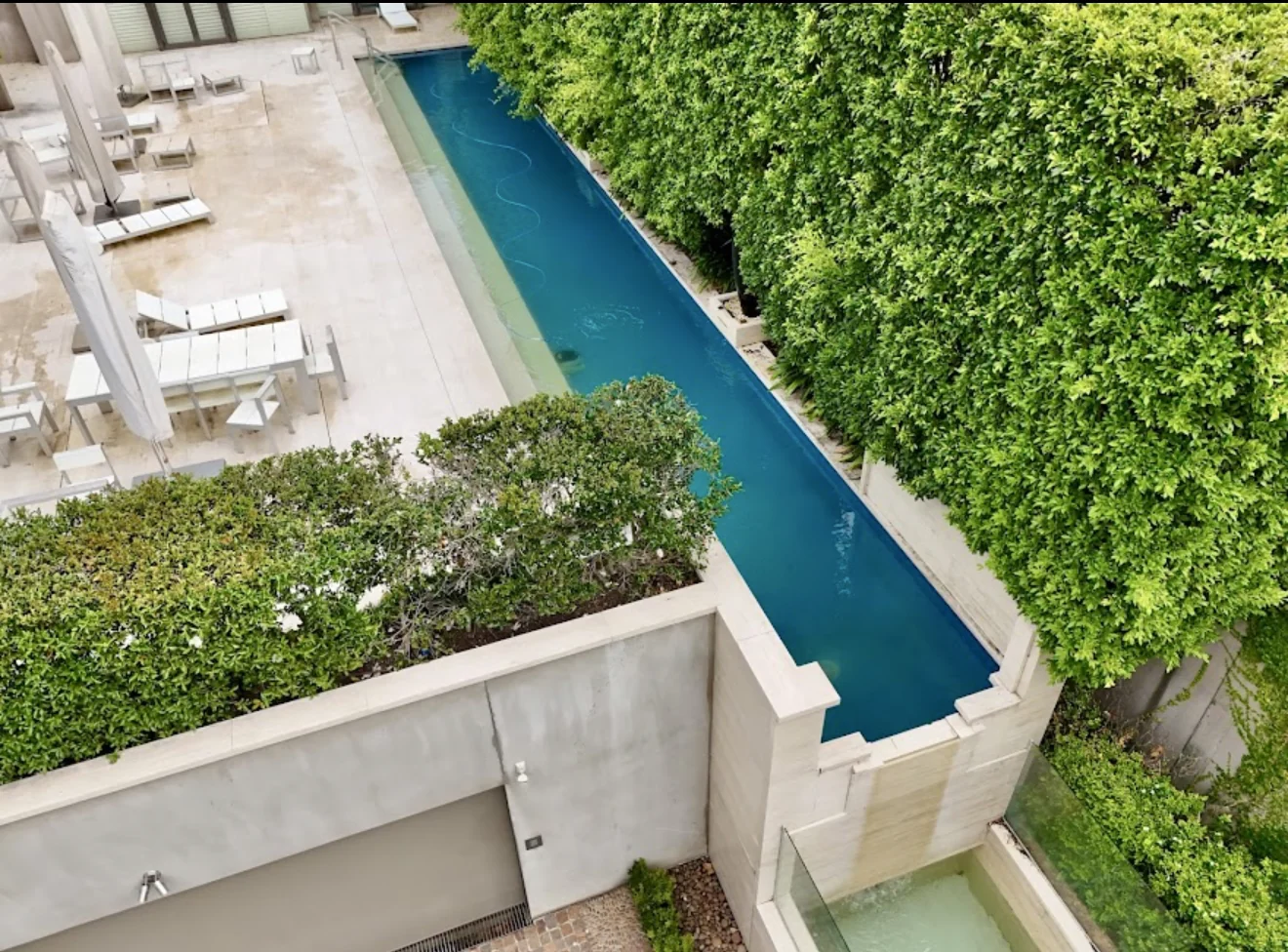
Palatial Pools field technology
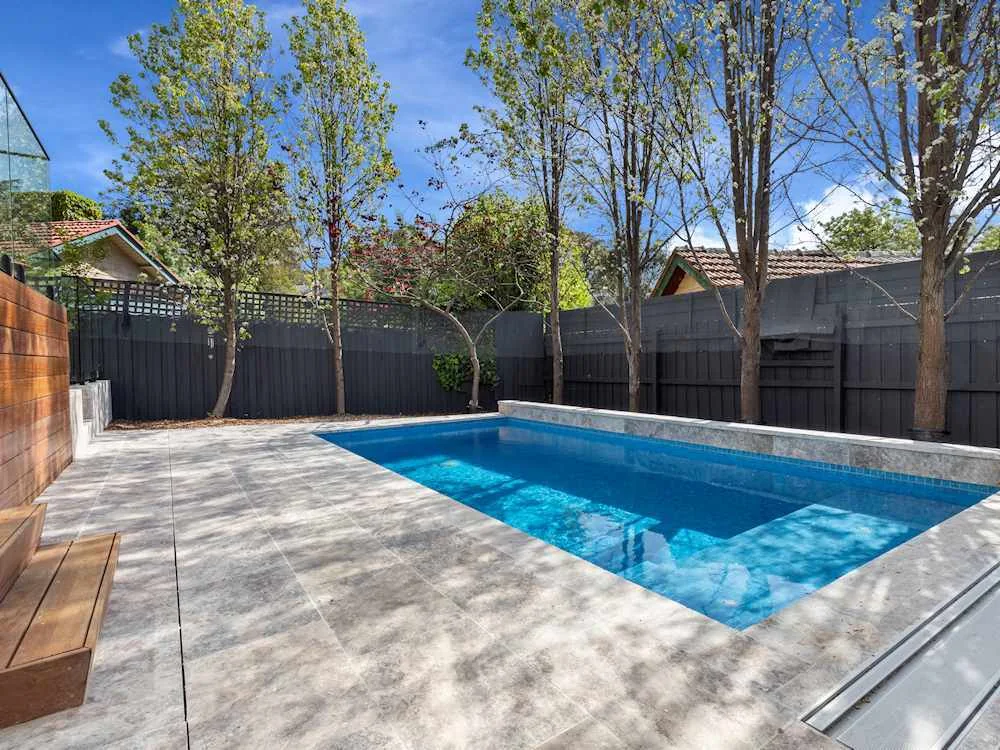
Site levels and drainage
Site fall, water paths and low points are assessed against actual on-site conditions before work is specified.
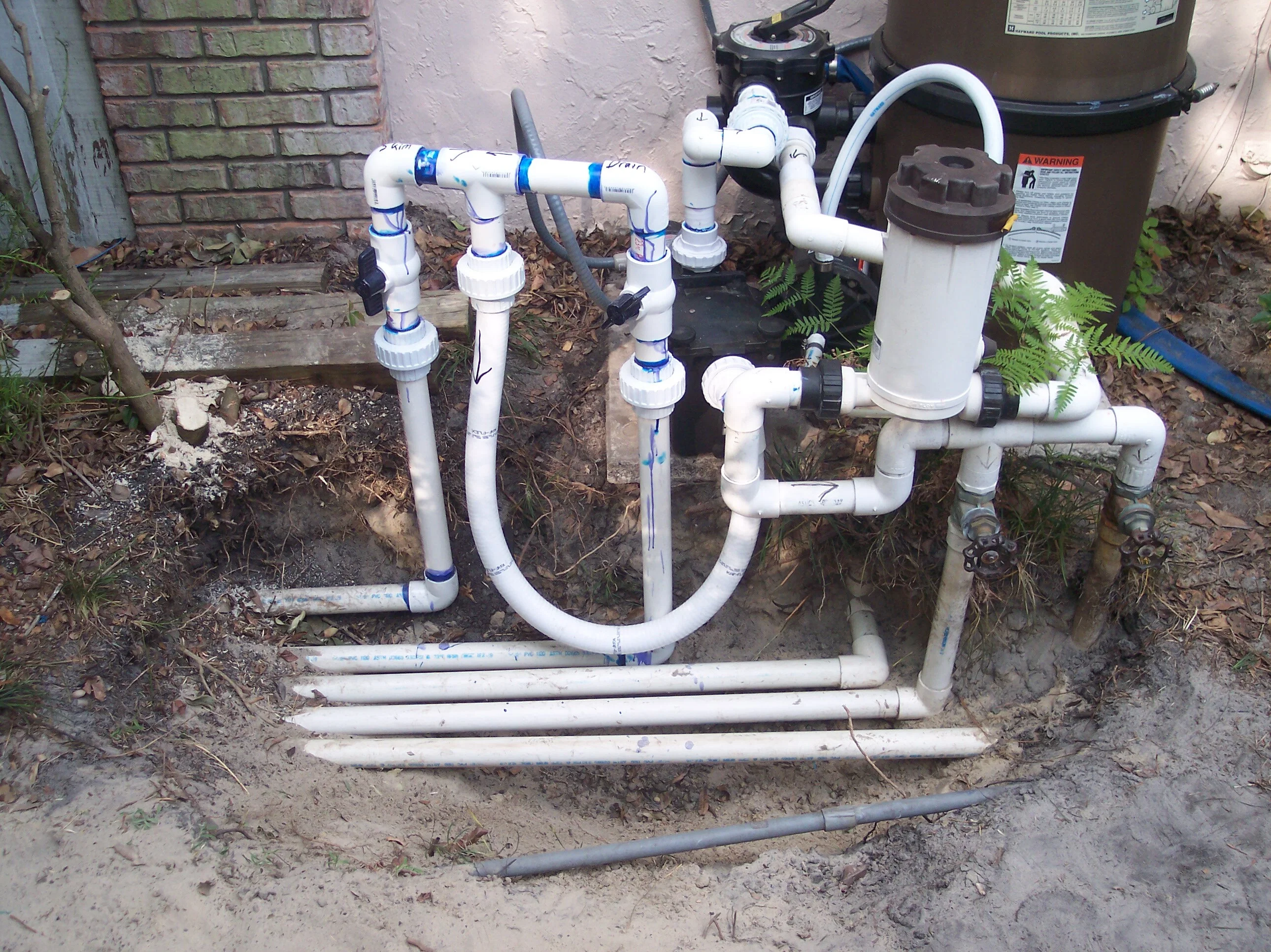
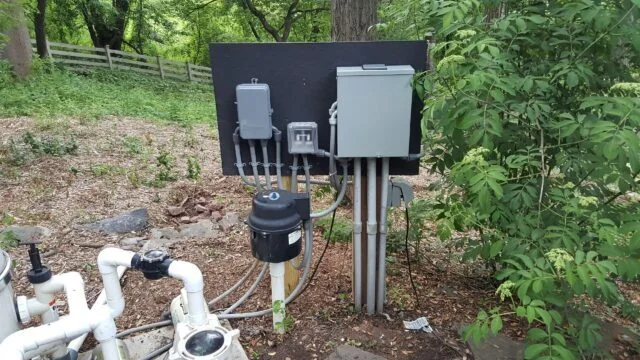
Palatial Pools field technology
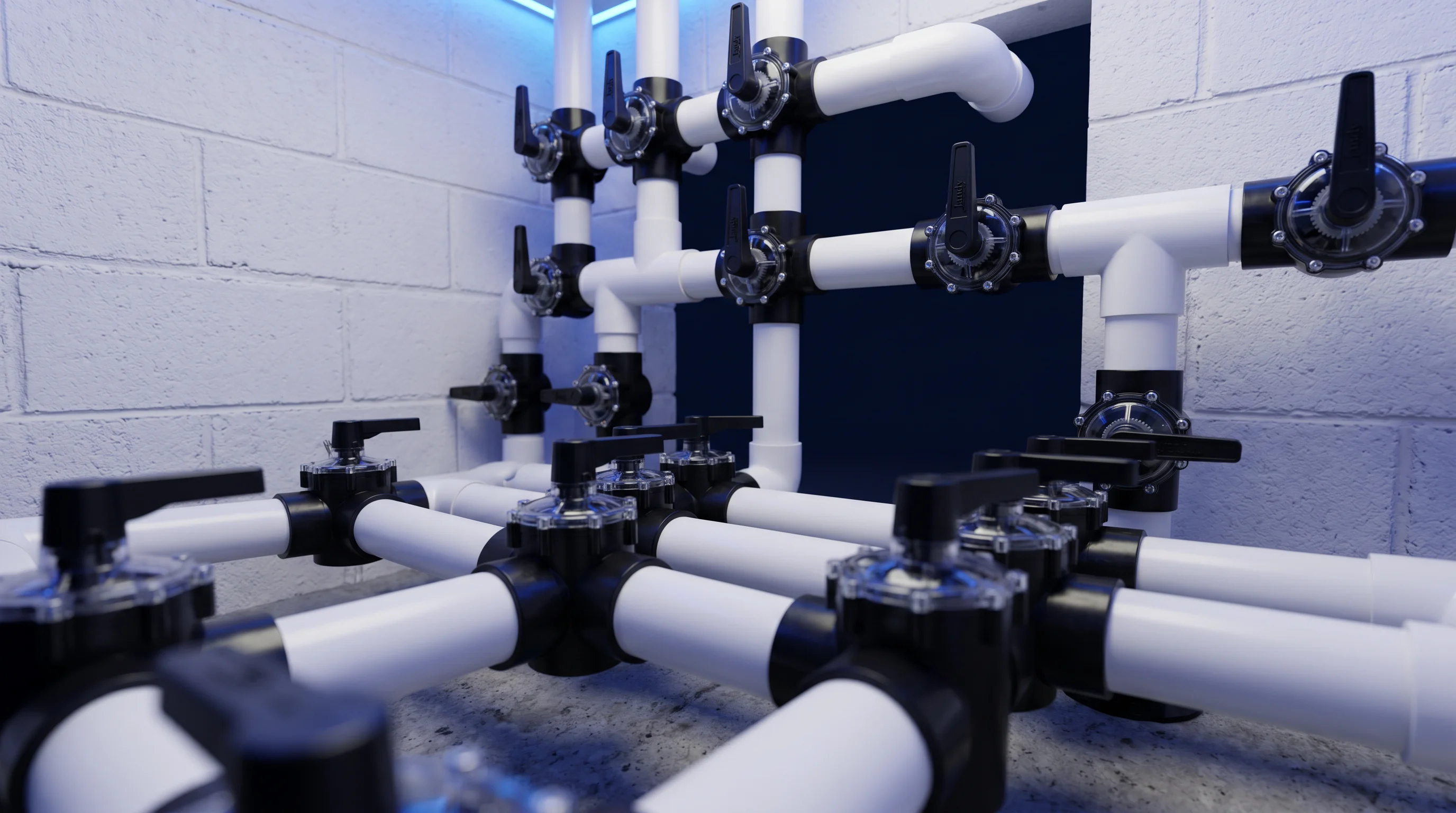
Circulation and heat analysis
Pump, filtration, heating and plumbing are assessed together as a working pool system.
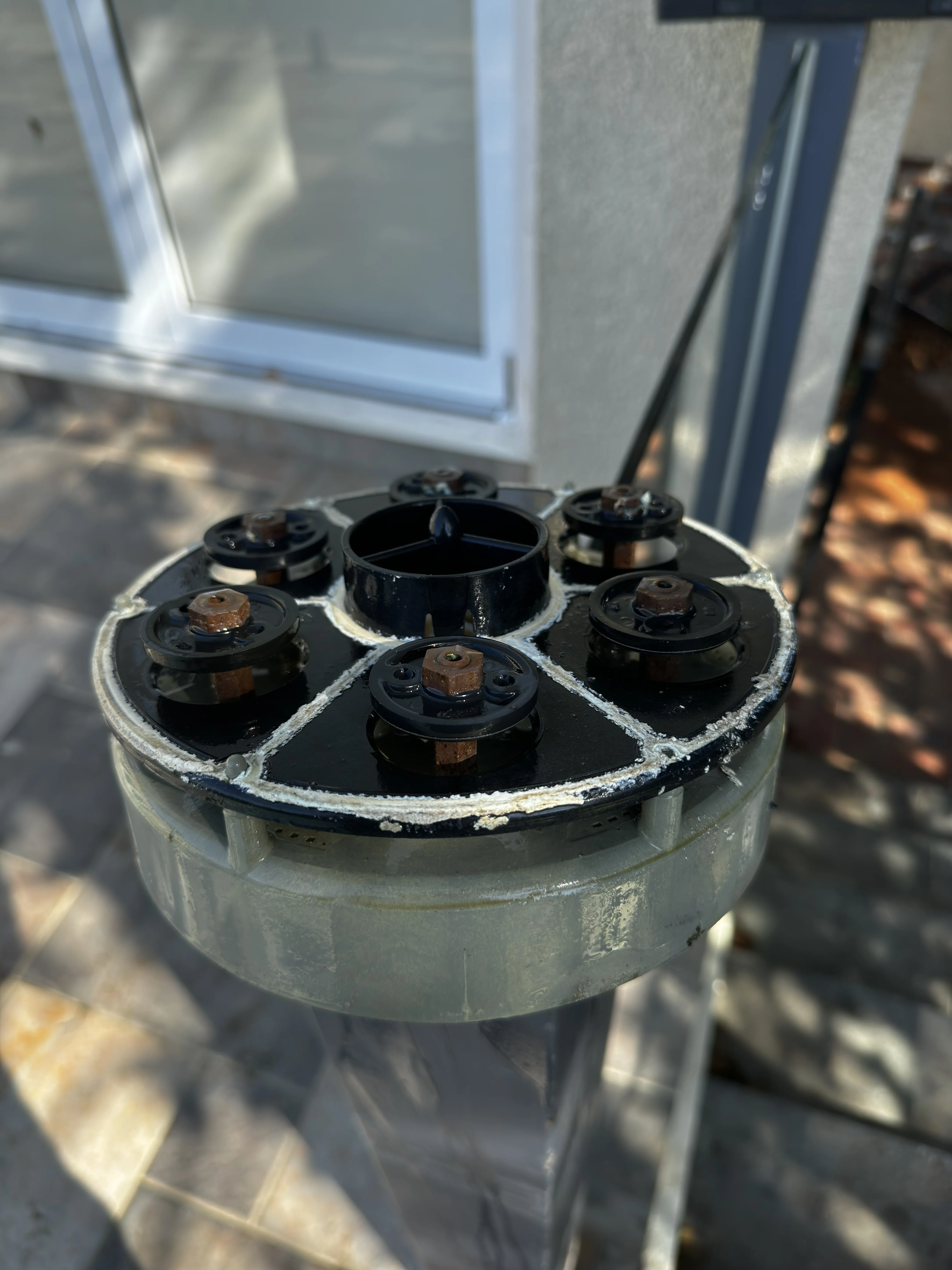
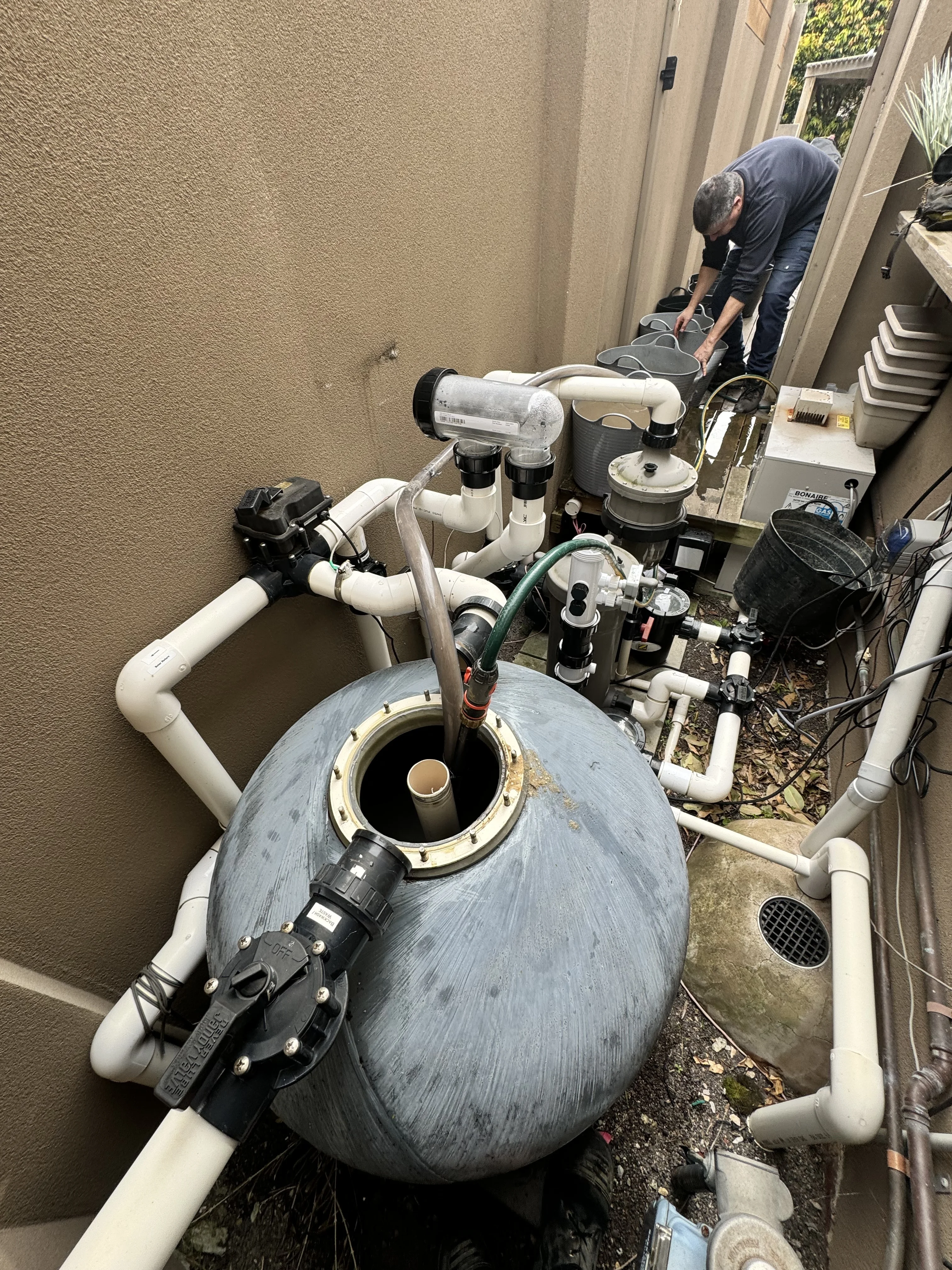
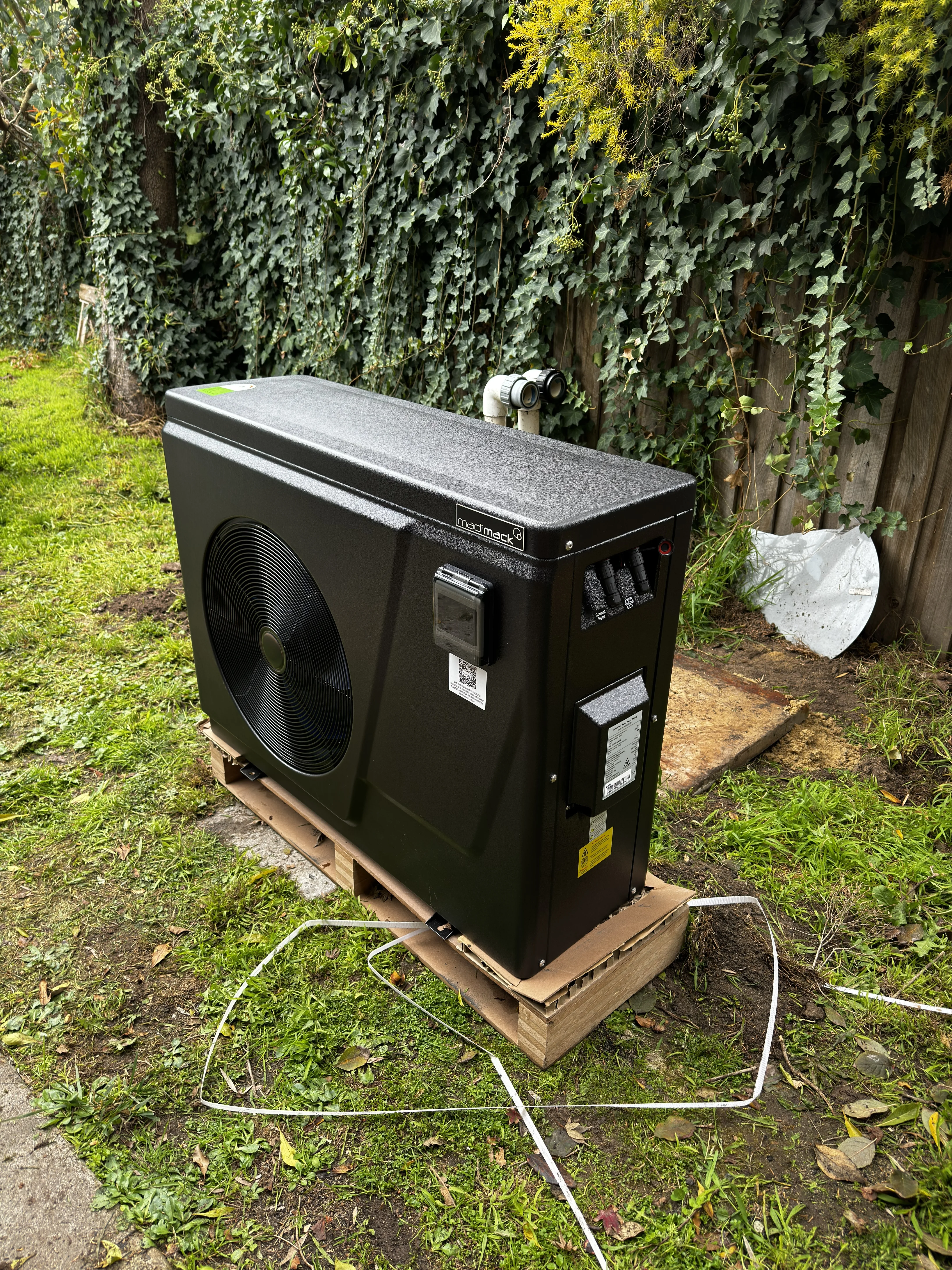
Palatial Pools field technology
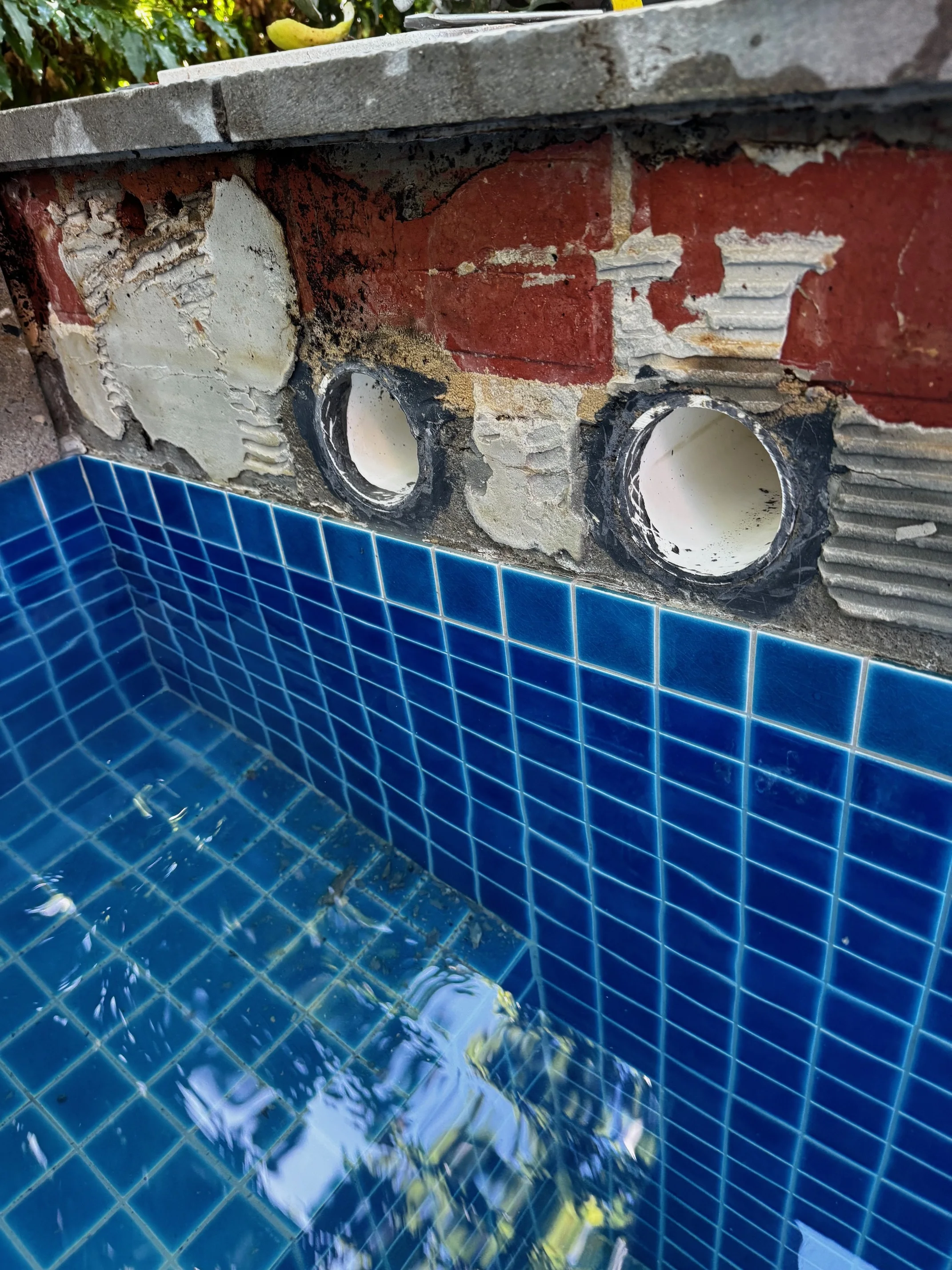
Equipment and field workflow
Job information is recorded against the actual equipment, site and service work so decisions can be checked on site.
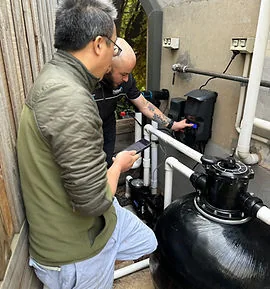
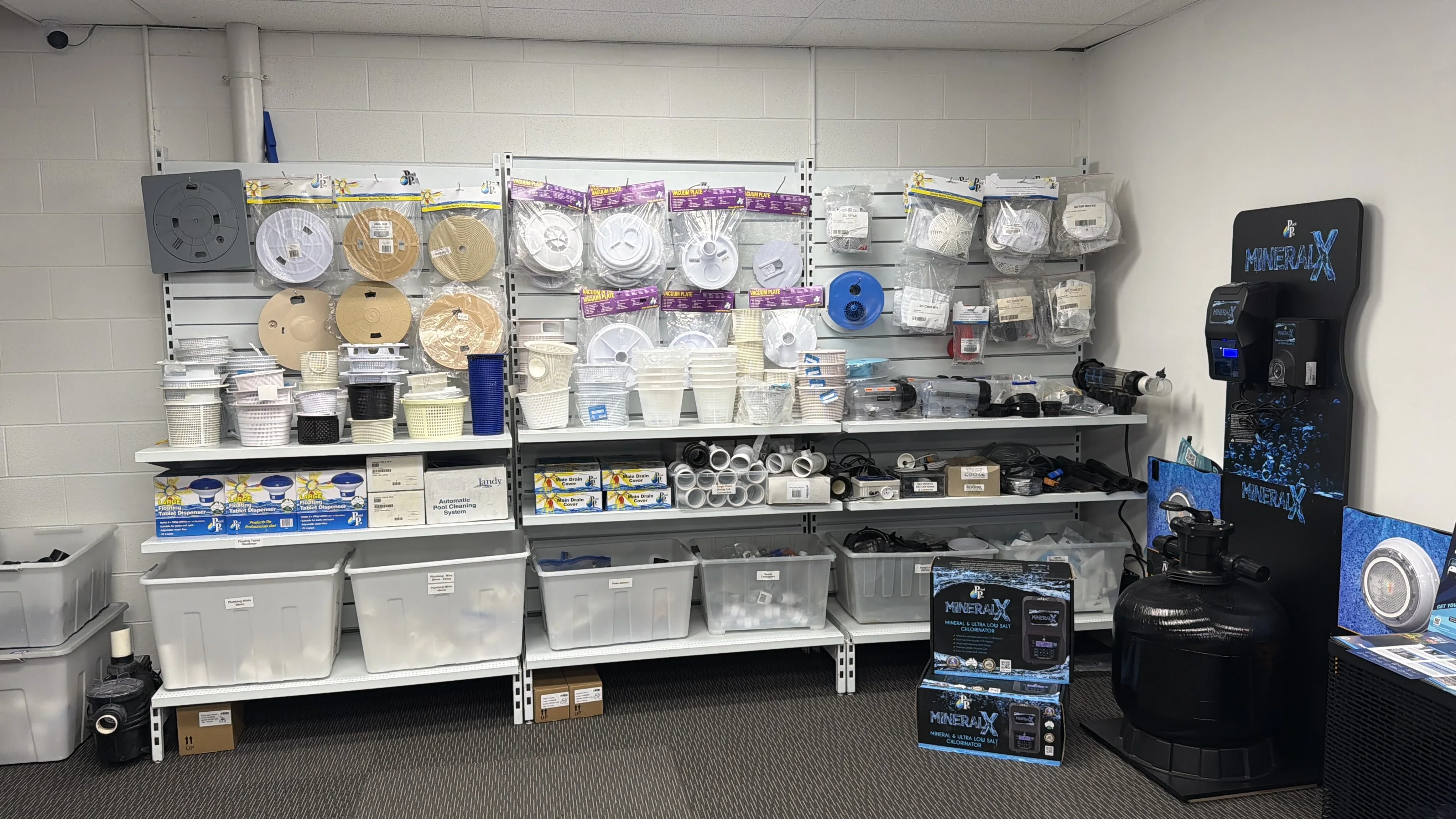
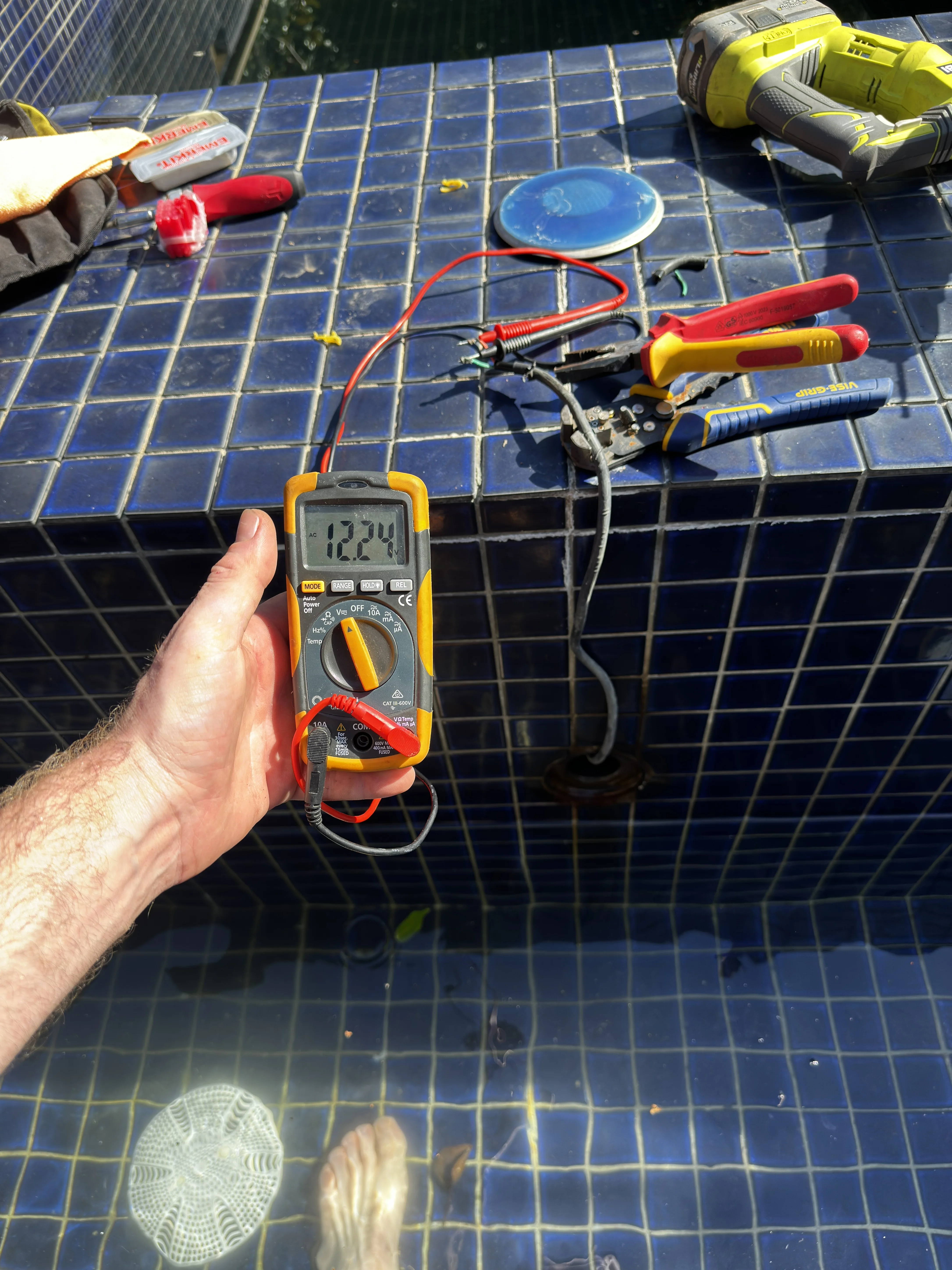
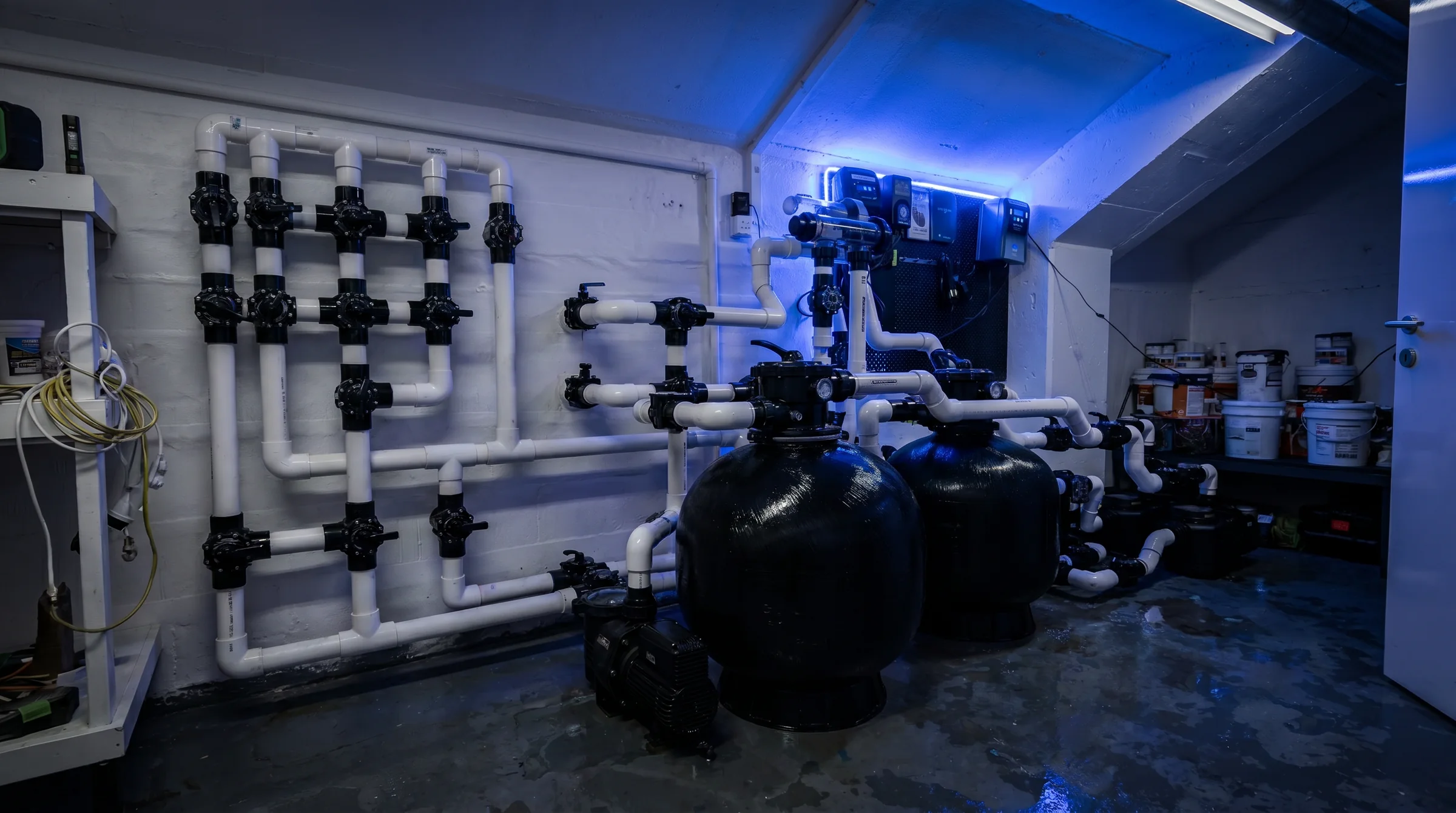
Palatial Pools field technology
Field scanning and measurements
Site measurements are taken on location before design or repair work is finalised.
Palatial Pools field technology
System architecture
The system is documented from real equipment, site measurements and service records. Technical diagrams are available in the detailed project documentation rather than used as public-page imagery.
Software doesn't replace a spanner
A 3D scan or a CFD model gives us a massive head start, but it doesn't fix the pool. We still have to put the tools on the pipes, test the voltage, and prove the fault on site.
How we use the information
From measurements to the next step
Capture
Record the symptom, timing, model details and measurable conditions.
Calculate
Use the relevant tool with realistic inputs and stated assumptions.
Compare
Check whether the result matches the connected equipment and pool.
Confirm
Test the remaining fault on site when the calculation cannot settle it.
Direct answers
Frequently asked questions
Each answer separates an estimate or observation from a confirmed fault.
Do the tools diagnose failed equipment?+
No. They organise measurements and calculations. A failed component may still need hydraulic, electrical or mechanical testing.
Can I use the tools before booking service?+
Yes. Pool volume, equipment labels, error history and chemistry results can improve the booking information.
Are calculator results exact?+
No estimate is exact when dimensions, weather, cover use or equipment performance are uncertain. Each method page states the main assumptions.
Can Palatial Pools review a result?+
Yes. Send the inputs and result with photos of the connected equipment. Palatial Pools can explain what is useful and what still needs confirmation.
Palatial Pools
Need us to take a look?
Call 0452 157 694 or send us your details to get it sorted.